Blog

Best Shoes for Hyperpronation

You're someone who's been told your feet "overpronate" and that you need special shoes to correct this natural movement. You've likely spent years searching for the perfect motion control shoe, trying countless brands, and feeling frustrated when each promising solution falls short of lasting comfort and pain relief.

The real issue isn't that your feet move naturally inward when you walk—it's that traditional corrective footwear has weakened your feet's ability to support themselves. Your feet have intricate muscles, tendons, and proprioceptors designed to adapt and respond to different surfaces. When shoes restrict this natural movement with rigid support systems, your feet become dependent rather than strong.

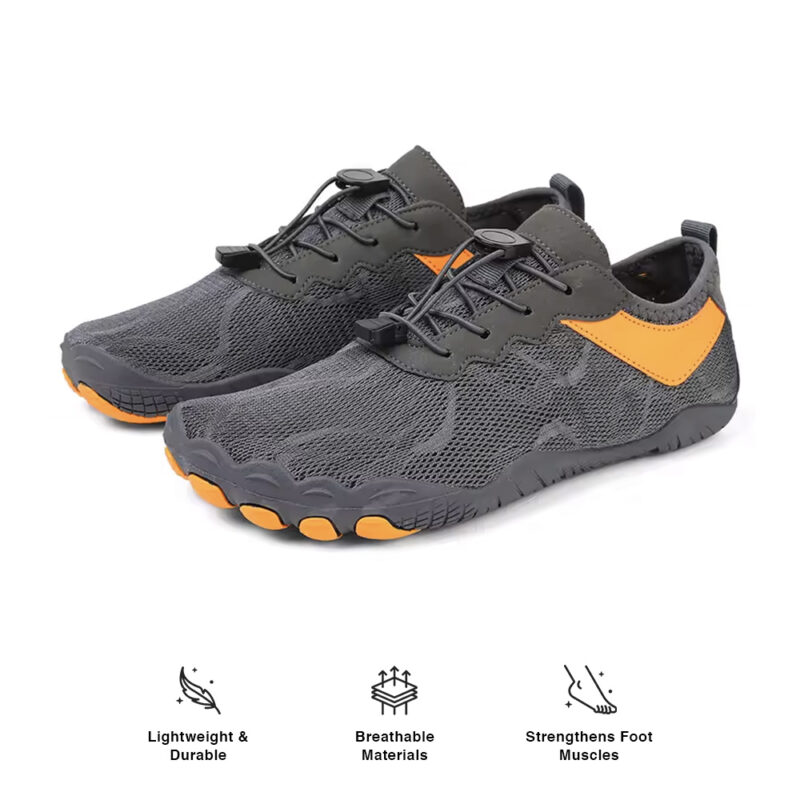
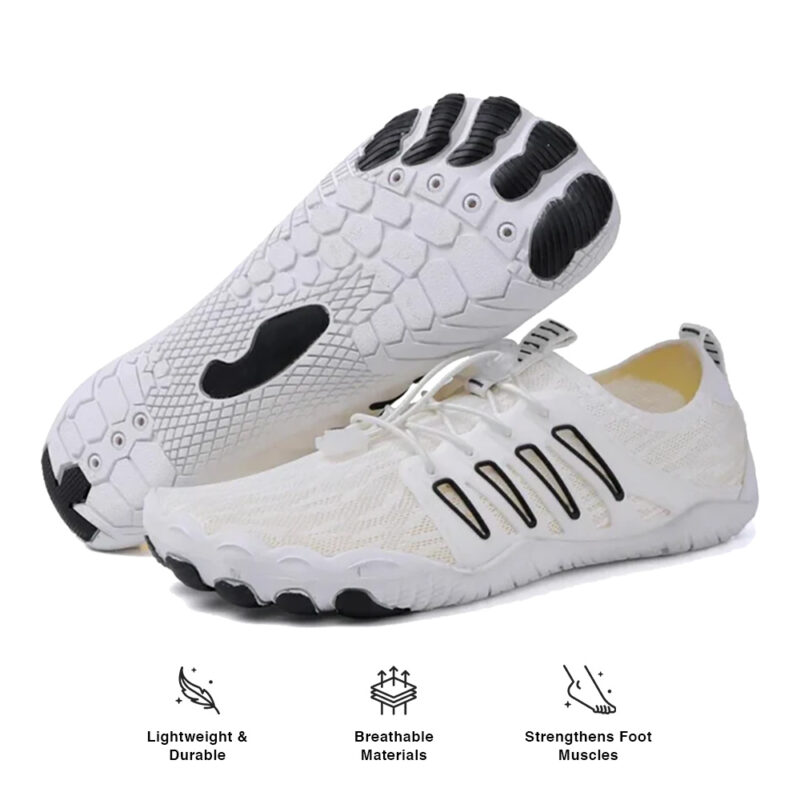
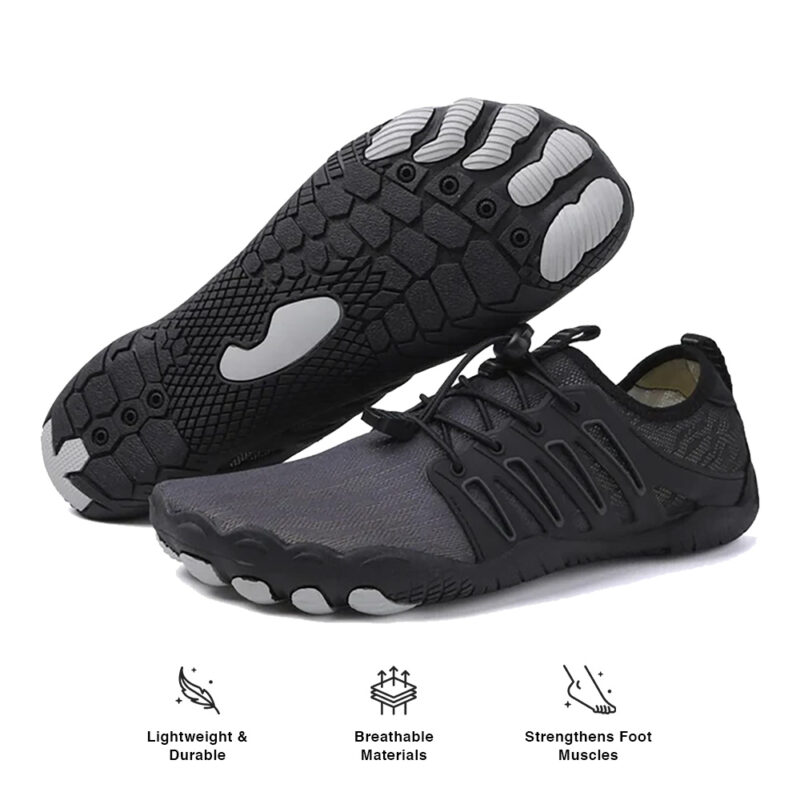
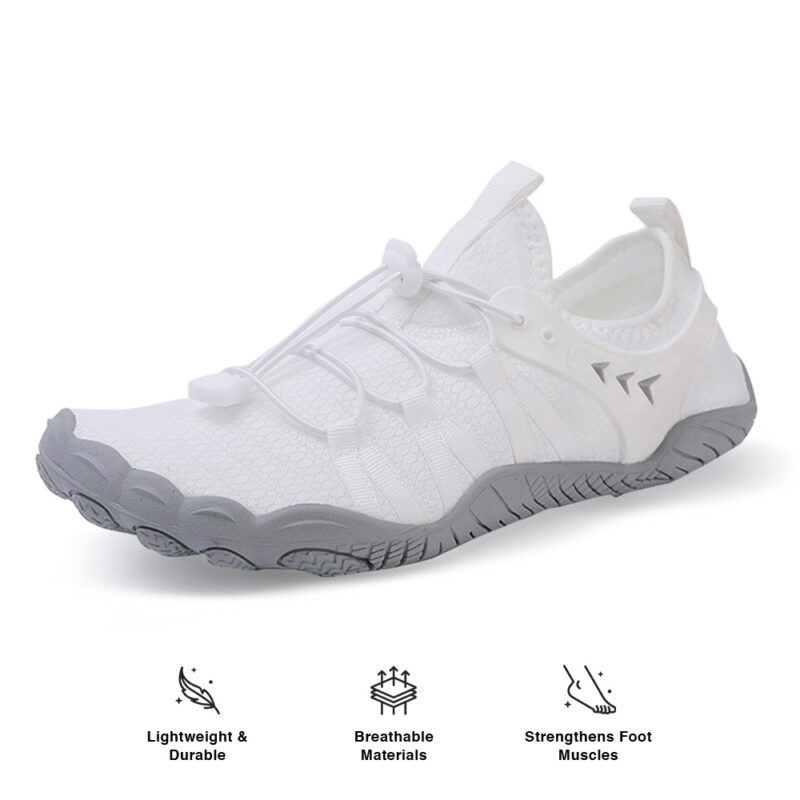
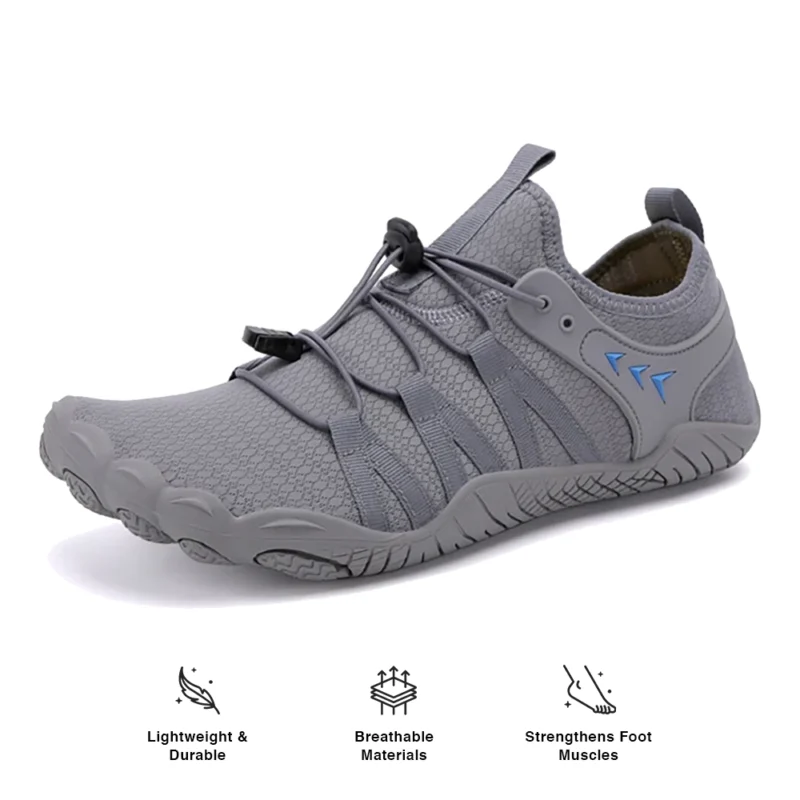
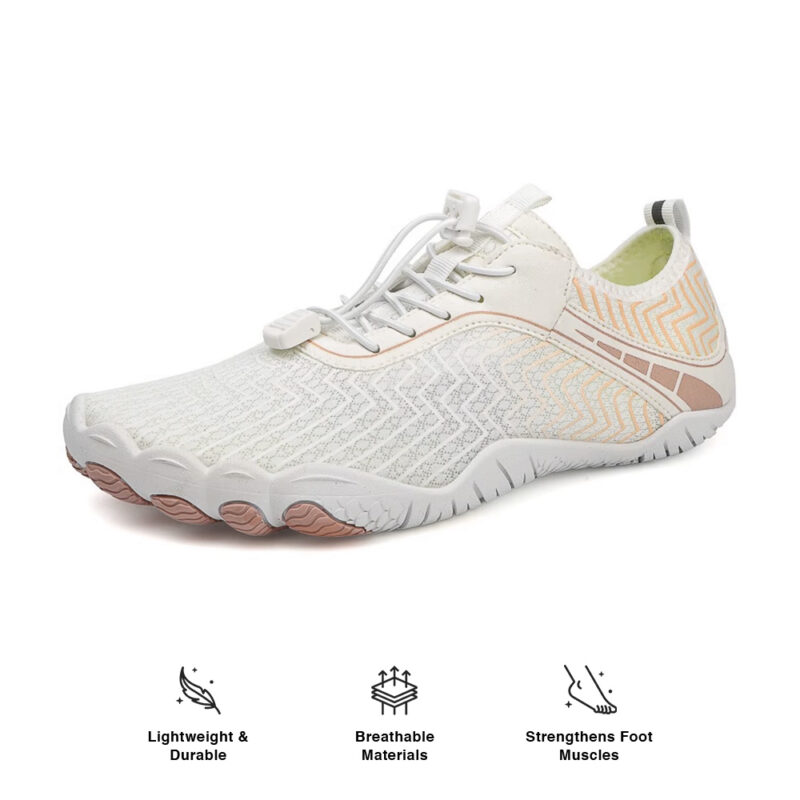
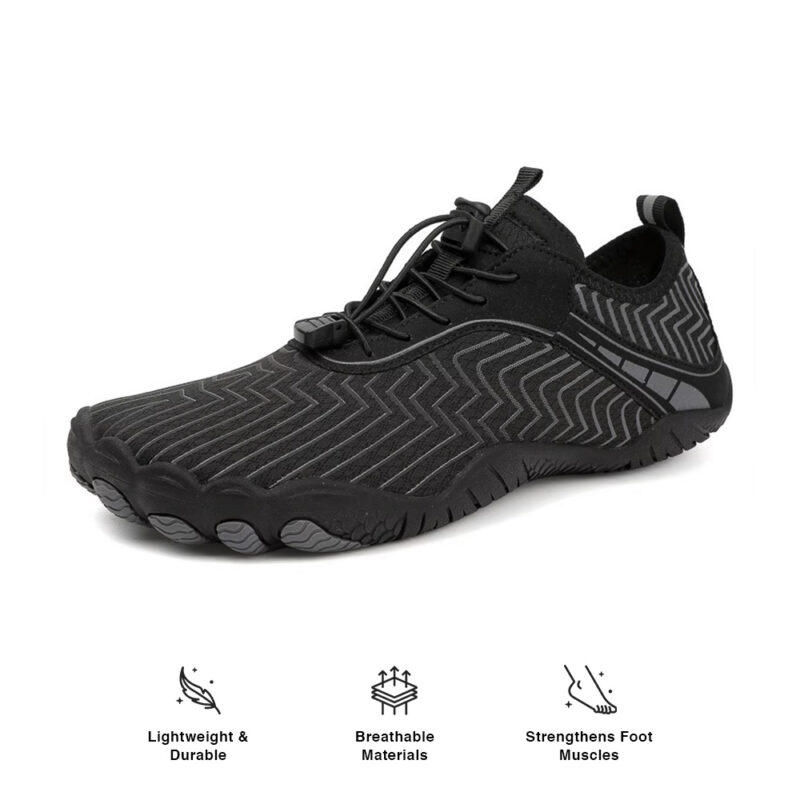
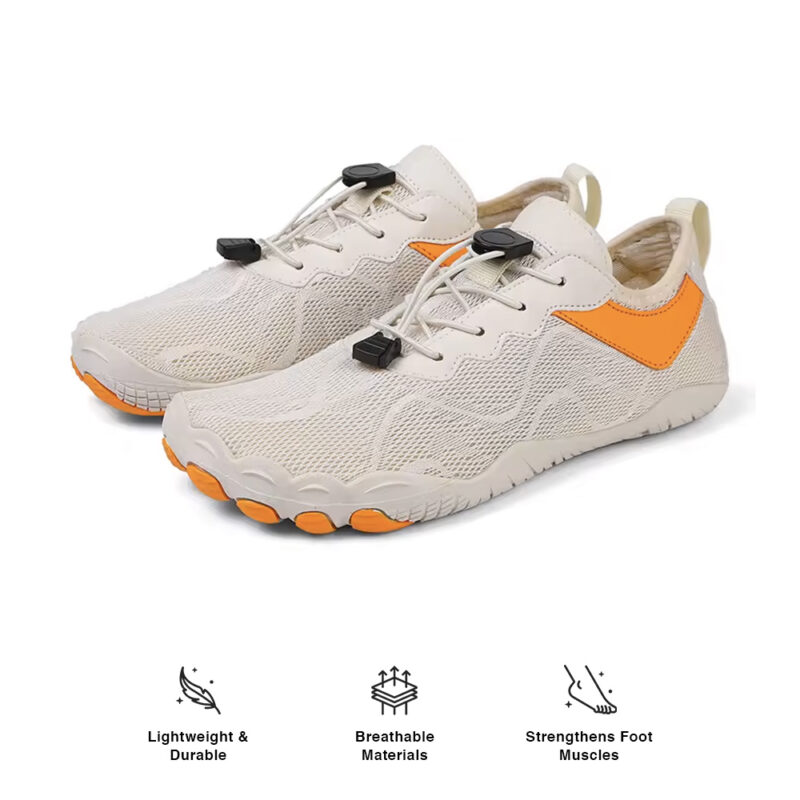
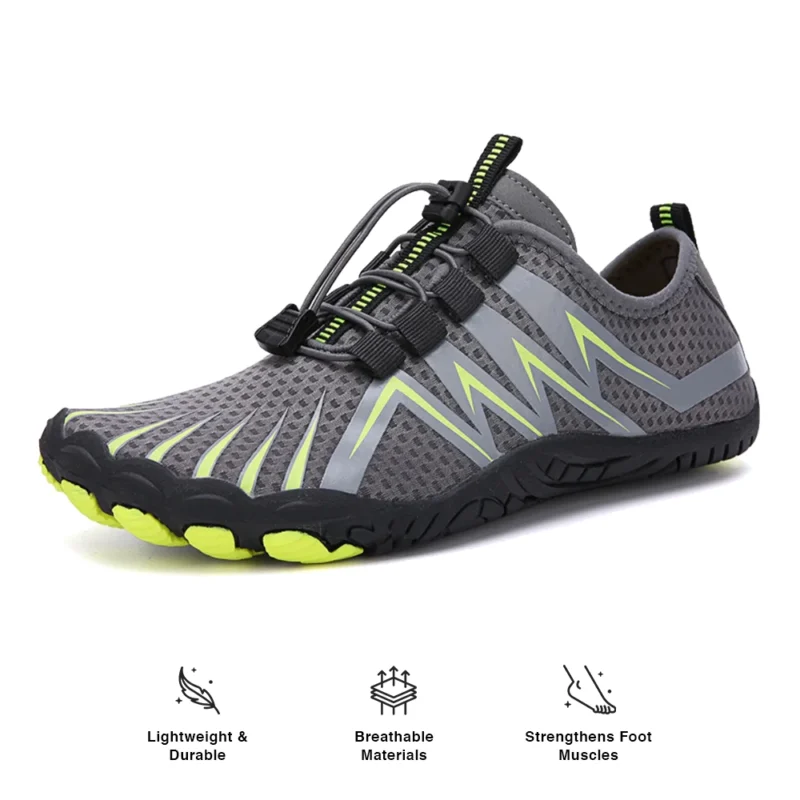
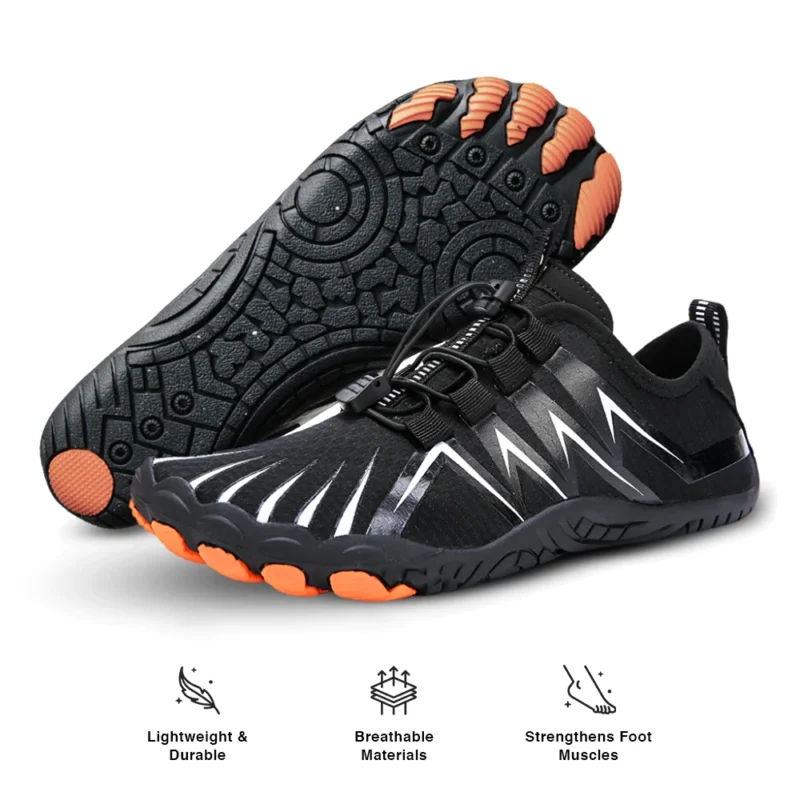
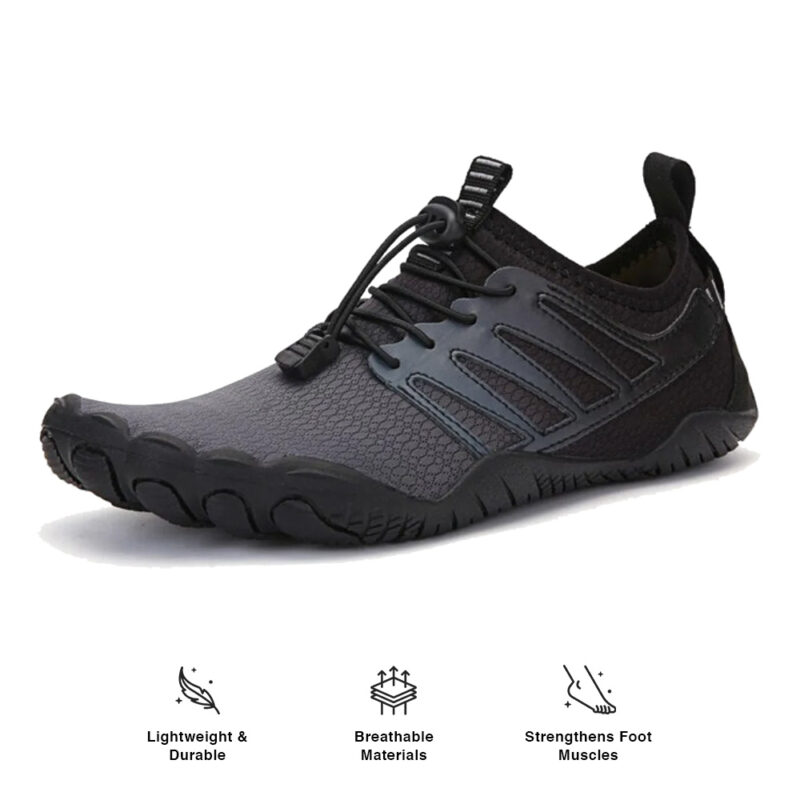
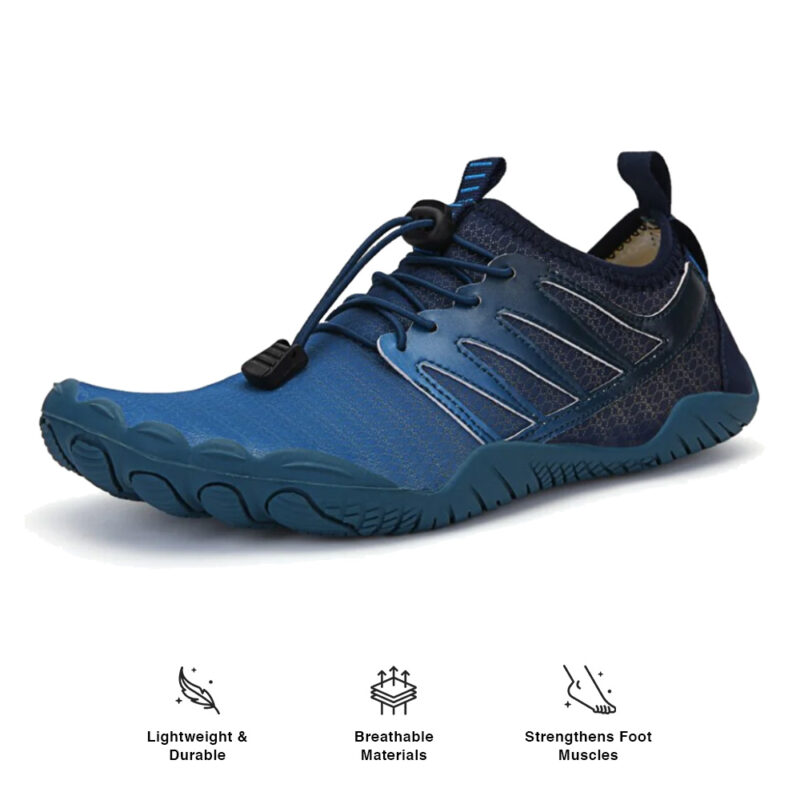
What you truly need are shoes that allow your feet to function as they were designed. The best shoes for hyperpronation work with your body's natural mechanics rather than against them. Barefoot and minimalist footwear provides the freedom your feet crave while building the strength that creates lasting stability.

Through natural foot movement, your intrinsic foot muscles develop strength. Your balance improves as proprioceptors can actually feel the ground. Your posture aligns naturally when your feet can spread and grip. This approach delivers lasting comfort through freedom rather than temporary relief through restriction.

When you choose shoes that respect your body's design, you're not just addressing hyperpronation—you're building a foundation for lifelong foot health and confident movement.

Top Picks for Best Shoes for Hyperpronation
Original price was: $133.50.Current price is: $59.95.
Select options This product has multiple variants. The options may be chosen on the product page
$79.95
Select options This product has multiple variants. The options may be chosen on the product page
Original price was: $149.99.Current price is: $74.99.
Select options This product has multiple variants. The options may be chosen on the product page
Original price was: $133.50.Current price is: $58.98.
Select options This product has multiple variants. The options may be chosen on the product page
Original price was: $133.98.Current price is: $56.98.
Select options This product has multiple variants. The options may be chosen on the product page
Original price was: $149.99.Current price is: $74.99.
Select options This product has multiple variants. The options may be chosen on the product page
$79.95
Select options This product has multiple variants. The options may be chosen on the product page
Original price was: $129.98.Current price is: $58.95.
Select options This product has multiple variants. The options may be chosen on the product page
Your Feet Are Stronger Than You've Been Told

Years of being told your hyperpronation needs correction has likely made you doubt your feet's natural abilities, but your body's design is remarkably intelligent. What appears as excessive inward rolling is often your foot's attempt to find stability on uneven surfaces or compensate for restrictions in traditional footwear. Minimalist shoes allow your feet to develop their inherent strength by engaging the small stabilizing muscles that supportive shoes have kept dormant. Start by wearing flexible shoes for short periods daily, gradually increasing time as your foot strength builds naturally.

Freedom of Movement Reduces Compensatory Patterns

When thick, rigid soles prevent your feet from feeling the ground, your body creates compensatory movement patterns that can actually increase stress on joints and tissues. The best shoes for hyperpronation provide a thin, flexible sole that allows proprioceptive feedback—your feet can sense surface changes and adjust accordingly. This natural feedback system helps your entire kinetic chain function more efficiently, often reducing the excessive inward motion that concerns you. Choose shoes with soles thin enough to feel texture beneath your feet while walking.

Natural Toe Spread Creates Stable Foundation

Traditional narrow shoe shapes squeeze your toes together, eliminating the natural wide base that provides optimal stability and balance. When your toes can't spread naturally, your foot loses its primary balancing mechanism, potentially contributing to the rolling motion you're trying to control. Barefoot-style shoes with wide toe boxes allow your feet to create their own stable platform, engaging muscles throughout your foot and lower leg. Look for shoes that match your foot's natural outline when you trace it on paper.

Ground Connection Improves Balance and Coordination

The disconnect between your feet and the ground created by thick cushioning can disrupt the neural pathways that control balance and precise movement. When searching for the best shoes for hyperpronation, prioritize thin soles that maintain ground connection while still protecting your feet from sharp objects. This direct feedback allows your nervous system to make micro-adjustments that improve overall stability and reduce excessive motion. Practice walking barefoot on safe surfaces daily to strengthen these neural connections.

Gradual Transition Builds Lasting Strength

Your feet have likely adapted to supportive footwear over many years, so transitioning to minimalist shoes requires patience and progressive loading. Rather than immediately switching to zero-drop shoes, start with lower-profile options and gradually reduce heel elevation and cushioning over several months. This approach allows your Achilles tendon, calf muscles, and foot intrinsics to adapt safely while building the strength that addresses hyperpronation naturally. Begin with 15-20 minutes of minimalist wear daily, increasing by small increments weekly.

Consistent Use Develops Functional Foot Health

The most effective approach to managing hyperpronation through footwear isn't finding the perfect corrective shoe—it's consistently choosing shoes that promote natural foot function. When you regularly wear flexible, wide, and thin-soled footwear, your feet develop the strength and coordination that provides lasting stability. This functional approach to foot health means you're building solutions rather than depending on external support. Make minimalist principles your default choice rather than reserving them for special occasions or specific activities.