
Best Shoes for Nurses

"A nurse walks miles inside one shift. Her feet carry the weight of long hours, hard floors, and constant motion. The right shoe supports her stride. The wrong shoe drains her energy before the shift ends. This guide breaks down what a nurse shoe needs, and how to pick one that keeps her moving."
Nurses stand for hours. They walk between rooms, carry supplies, and respond fast to changing needs. Their feet absorb this load every single day. A poor shoe choice adds fatigue on top of an already demanding job.
Good footwear changes this equation. The right shoe supports the arch, protects the joints, and lets the foot move the way it was built to move. Foot health affects posture, balance, and energy levels across a full shift. Nurses who choose their shoes carefully report less soreness and more stamina by the end of the day.
Grip
SLIP RESISTANT SOLE
All-Day Comfort
CUSHIONED SUPPORT ALL SHIFT
Easy Clean
WIPES CLEAN FAST
Hospital floors get wet, waxed, and busy. A shoe built for this environment protects the nurse and the patient. The sections below cover history, technical specs, and a clear selection process for any nurse shopping for new shoes.
Our Top Pick
Built For Twelve-Hour Shifts
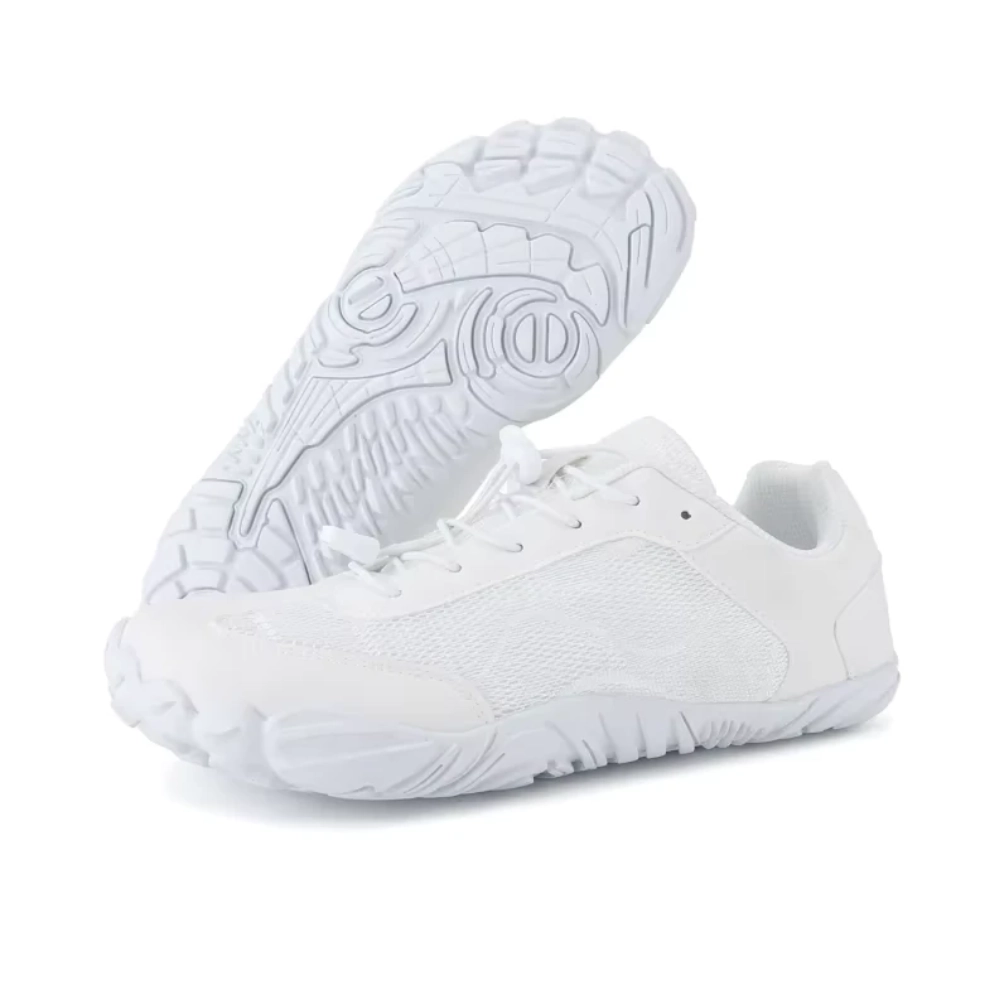
The HYKES Nomad fits the demands of a nursing shift better than a standard sneaker. Its wide toe box gives your foot room to spread, and its zero-drop sole keeps your stance stable on hard floors.
★★★★★
HYKES Nomad — Zero-Drop Barefoot Shoes
WIDE TOE BOX · ZERO-DROP · TRAIL-READY
The HYKES Nomad is a flexible, foot-shaped hiking shoe with a wide toe box that lets your toes splay and grip naturally over uneven terrain. Its thin, zero-drop sole keeps your foot close to the ground for real trail feedback and a balanced, connected stride, whether you're covering rocky paths or logging easy miles.
- Wide toe box for natural toe spread
- Zero-drop sole for balanced alignment
- Thin, flexible sole for ground feel
- Foot-shaped design that moves with you
- Breathable material for all-day wear
- Goes anywhere — trail, work, or errands
FOOTWEAR HISTORY
From Boots To Sneakers
Nurses did not always wear sneakers. Early nursing uniforms paired with leather boots or flat, hard-soled shoes. These shoes offered little cushioning. Nurses stood on stone or tile floors for full shifts with no shock absorption at all.
The white nursing shoe appeared in the early 1900s. It matched the uniform and signaled cleanliness. Hospitals valued a polished look over foot support at that time. Comfort became a real design goal only decades later, once podiatrists began studying standing-job injuries.
By the 1980s, athletic shoe brands entered the medical footwear space. Cushioned soles, breathable mesh, and slip-resistant treads replaced stiff leather. Nurses gained more comfort, but many mainstream sneakers still used narrow toe boxes and raised heels. These features can crowd the toes and shift body weight forward during long shifts.
Barefoot and minimalist shoe design offers a different path. A wide toe box and a flat, zero-drop sole let the foot function closer to its natural shape. This design shift matters most for workers who spend entire days on their feet.
Hospital dress codes also shaped shoe design over time. Early facilities required all-white leather shoes to match the uniform. Later, many hospitals relaxed this rule and allowed athletic-style shoes in any color, as long as the shoe met slip-resistance standards. This shift opened the door for nurses to prioritize fit and support over color matching. Today, most hospitals judge a shoe by its sole grip and closed-toe design, not its shade.
Sub-label
What Nurse Shoes Need Most
Room To Spread
Toes need space, not a taper.
Balanced Stance
A flat sole keeps weight even.
Fast Cleanup
Wipeable material handles spills.
Sure Footing
Grip prevents slips on wet floors.
Breathable Build
Airflow reduces heat and sweat.
Light Weight
Less bulk means less drag per step.
A wide toe box lets the foot spread under load, which improves balance during long standing periods. A flat, zero-drop sole distributes weight evenly across the foot instead of pushing pressure into the ball and toes. Grip matters just as much. Hospital floors mix polished tile, spilled fluids, and fast turns, so a shoe needs a sole that holds traction under those conditions.
"I switched to a wide, flat-soled shoe halfway through nursing school. My feet stopped aching by hour eight instead of hour four. I tell every new nurse on my floor to try one."
— Rachel M.
TECHNICAL SPECIFICATIONS
Key Features To Check
Shop for these specific features when comparing nurse shoes:
- Toe Box Width — Measure across the widest part of the shoe. A wide toe box lets toes sit flat and spread under weight.
- Heel-To-Toe Drop — Zero-drop means the heel and toe sit at equal height. This keeps the spine and pelvis aligned during standing work.
- Sole Thickness — A thinner sole gives more ground feedback and stability. A thick, soft sole can feel plush at first but reduces balance over a full shift.
- Outsole Grip — Look for a rubber compound rated for wet or oily surfaces.
- Upper Material — Breathable mesh or knit reduces heat buildup during a twelve-hour shift.
- Closure System — Laces, straps, or slip-on designs each offer a different fit. Choose one that holds the foot secure without pinching.
- Weight Per Shoe — Lighter shoes reduce leg fatigue across a full day of walking.
Check these specs together, not one at a time. A shoe with a wide toe box but a thick, unstable sole still throws off your balance. A shoe with a flat sole but a narrow toe box still crowds your toes. The best nurse shoe balances all seven features at once, rather than excelling at only one.
Our Top Pick
A Shoe Built To Move With You
Feet swell during a long shift. The HYKES Nomad flexes with each step instead of fighting your foot's natural shape, so it stays comfortable from the first hour to the last.
★★★★★
HYKES Nomad — Zero-Drop Barefoot Shoes
WIDE TOE BOX · ZERO-DROP · TRAIL-READY
The HYKES Nomad is a flexible, foot-shaped hiking shoe with a wide toe box that lets your toes splay and grip naturally over uneven terrain. Its thin, zero-drop sole keeps your foot close to the ground for real trail feedback and a balanced, connected stride, whether you're covering rocky paths or logging easy miles.
- Wide toe box for natural toe spread
- Zero-drop sole for balanced alignment
- Thin, flexible sole for ground feel
- Foot-shaped design that moves with you
- Breathable material for all-day wear
- Goes anywhere — trail, work, or errands
SHOE STYLES COMPARED
Comparing Nurse Shoe Types
Nurses choose from several shoe categories. Each style trades off comfort, support, and practicality in a different way.
|
Shoe Type |
Toe Room |
Ground Feel |
Slip Resistance |
Best For |
|---|---|---|---|---|
|
Traditional Sneaker |
Narrow to average |
Low |
Moderate |
General shift work |
|
Clog |
Wide |
Low |
High |
Quick slip-on wear |
|
Compression Sneaker |
Narrow |
Low |
Moderate |
Circulation support |
|
Barefoot / Zero-Drop |
Wide |
High |
High |
Long shifts on hard floors |
|
Orthotic-Insert Sneaker |
Average |
Low |
Moderate |
Custom arch needs |
Traditional sneakers work fine for short shifts but often taper at the toe. Clogs slip on fast but usually pair a wide toe area with a raised heel, which shifts weight forward. Barefoot and zero-drop shoes combine a wide toe box with a flat sole, giving both space and balance. This combination fits the standing, walking, and quick-turn demands of a nursing shift.
Pick a shoe type based on your floor conditions and shift length. A twelve-hour shift on tile calls for more support than a short desk-based shift. Nurses in the ICU or ER, who move fast and stand for hours, often benefit most from a wide, flat, high-grip design. Nurses in outpatient clinics with shorter shifts have more flexibility to choose based on personal preference.
Care And Break-In Tips
Follow these steps to keep nurse shoes performing well through daily wear:
- Wipe down daily. Remove fluids and dust with a damp cloth after each shift.
- Air dry fully. Skip direct heat, which can crack soles and warp material.
- Rotate two pairs. Let one pair rest and air out while you wear the other.
- Break in gradually. Wear a new zero-drop shoe for short shifts first, then extend to full shifts over one to two weeks.
- Check the sole tread. Replace shoes once the tread flattens, since worn tread reduces grip.
- Wash removable insoles. Hand wash and air dry insoles weekly to control odor.
A gradual break-in period matters most with a zero-drop shoe. Your calves and feet adjust to a flatter stance over the first few shifts. Most nurses report full comfort within two weeks of steady wear.
Our Top Pick
Ready For Your Next Shift
Choose a shoe that supports every step you take on the floor. The HYKES Nomad pairs hospital-ready durability with a design built around how your foot actually moves.
★★★★★
HYKES Nomad — Zero-Drop Barefoot Shoes
WIDE TOE BOX · ZERO-DROP · TRAIL-READY
The HYKES Nomad is a flexible, foot-shaped hiking shoe with a wide toe box that lets your toes splay and grip naturally over uneven terrain. Its thin, zero-drop sole keeps your foot close to the ground for real trail feedback and a balanced, connected stride, whether you're covering rocky paths or logging easy miles.
- Wide toe box for natural toe spread
- Zero-drop sole for balanced alignment
- Thin, flexible sole for ground feel
- Foot-shaped design that moves with you
- Breathable material for all-day wear
- Goes anywhere — trail, work, or errands
FAQ
A shoe with a wide toe box, a flat sole, and strong slip resistance handles long shifts best. These features reduce pressure buildup and support balance.
Yes. Wear a zero-drop shoe for short shifts first, then build up to full shifts over one to two weeks.
Clogs slip on fast and offer wide toe room, but many models raise the heel above the toe. This shifts weight forward during long standing periods.
Replace shoes once the outsole tread flattens or the material starts to crack. Most nurses replace shoes every six to twelve months, depending on shift frequency.
A wide toe box lets toes spread under load instead of compressing together. Many nurses report less end-of-shift soreness after switching to a wider shoe.
Yes. Rotating two pairs lets each pair air out fully between shifts, which extends their lifespan and keeps material fresh.
Final Verdict
Nurses need a shoe built for constant motion, hard floors, and long hours. Toe room, sole flatness, and grip matter more than style or brand name. A shoe that checks these boxes reduces fatigue and supports a full shift, start to finish.
The HYKES Nomad covers each requirement in one shoe. It gives the foot space, keeps the stance balanced, and holds up to daily hospital wear. Nurses shopping for their next pair should start here.
Comfort on shift starts with a shoe that fits how your foot really moves. 🦶