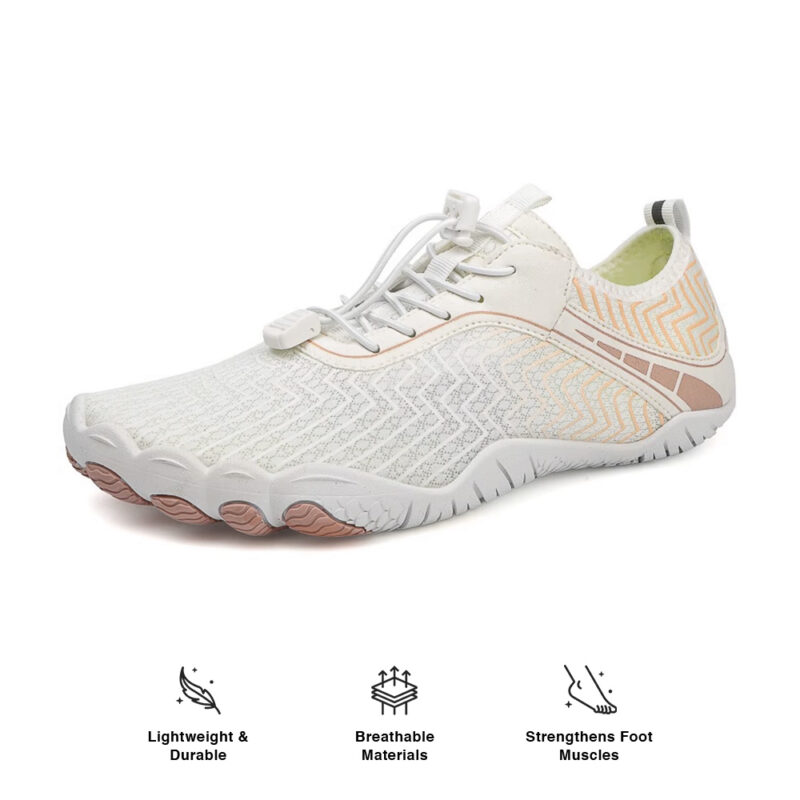
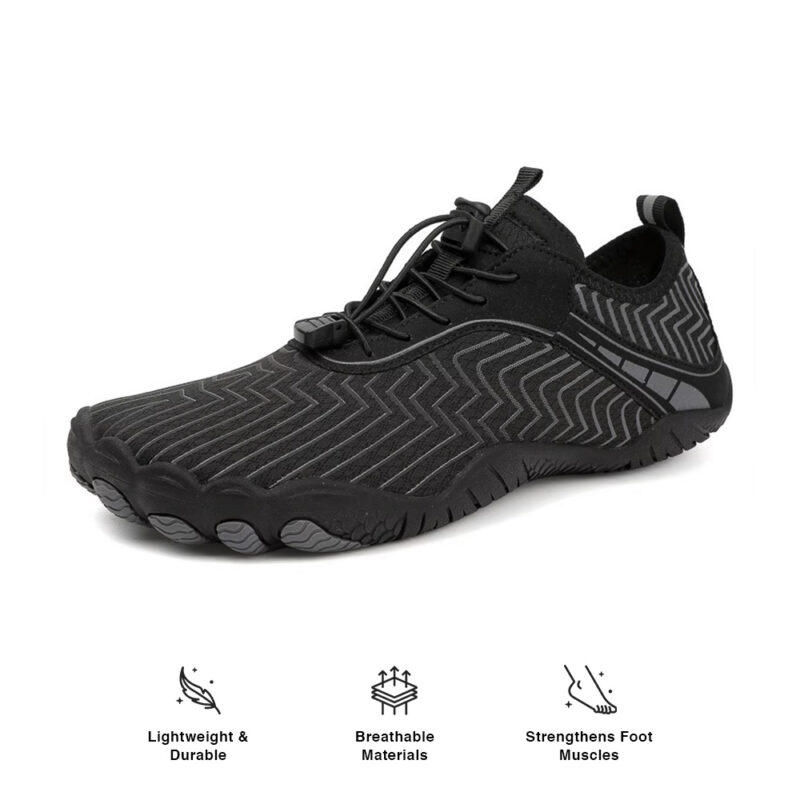
Why Your Current "Supportive" Shoes Might Be Making Things Worse
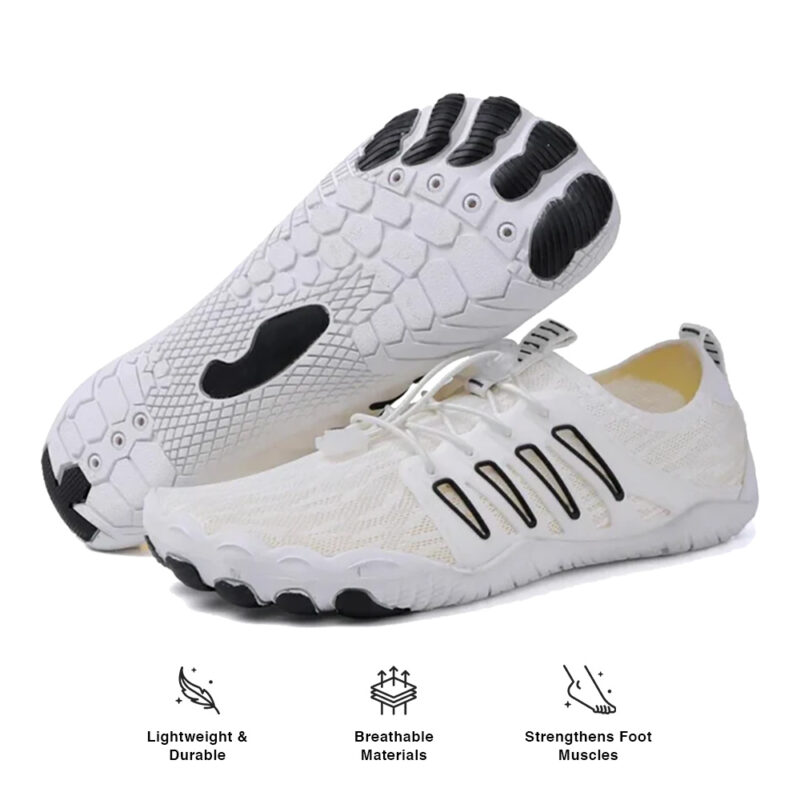
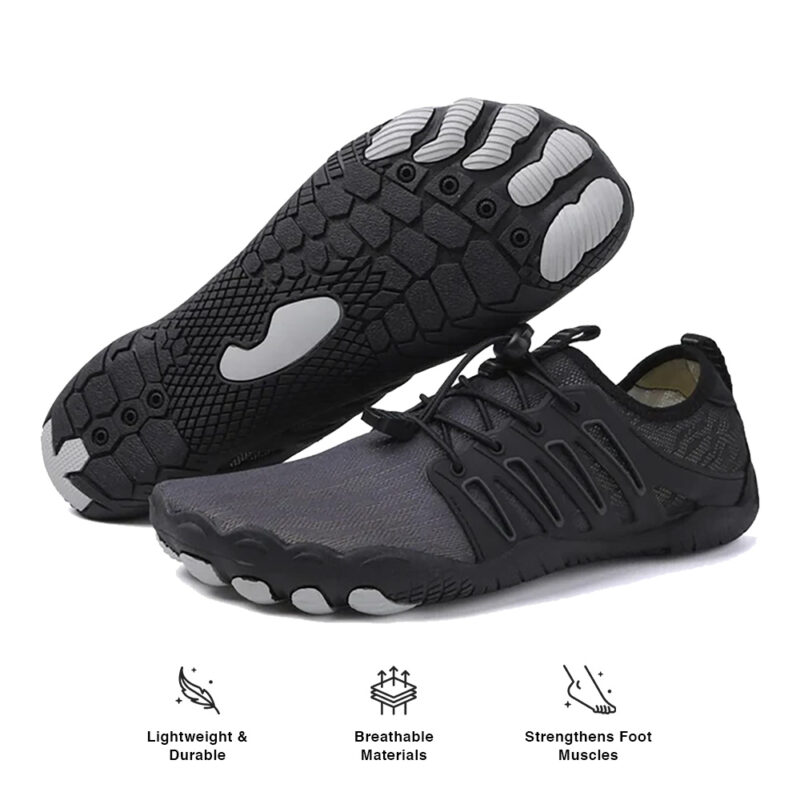
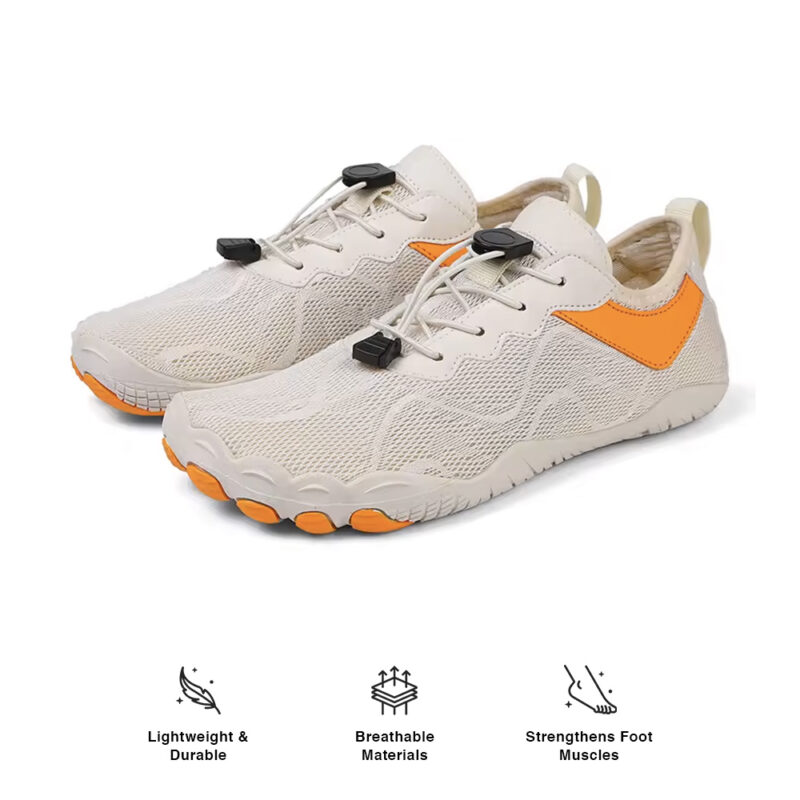
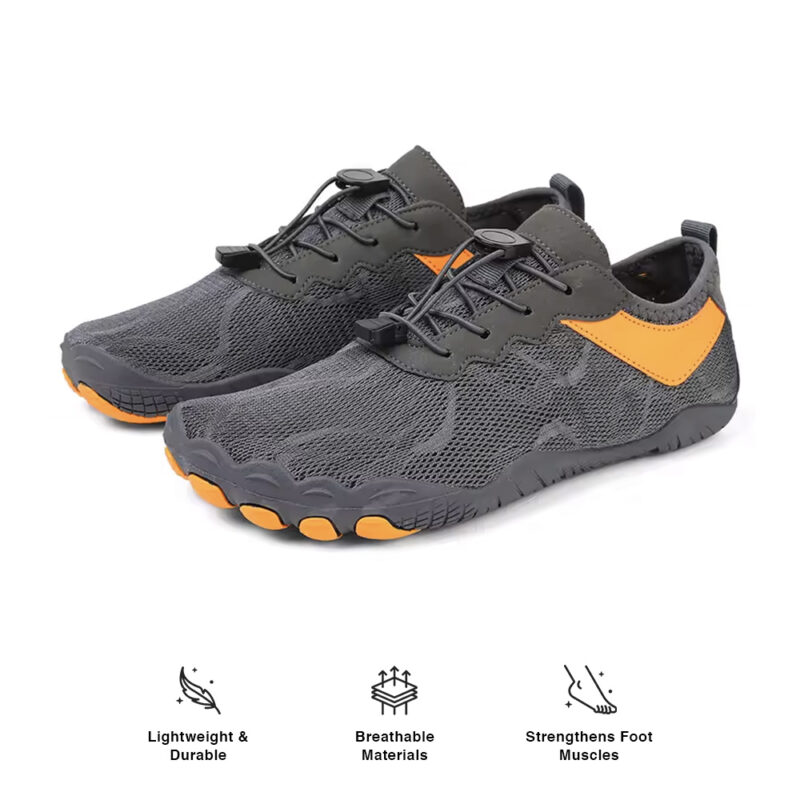
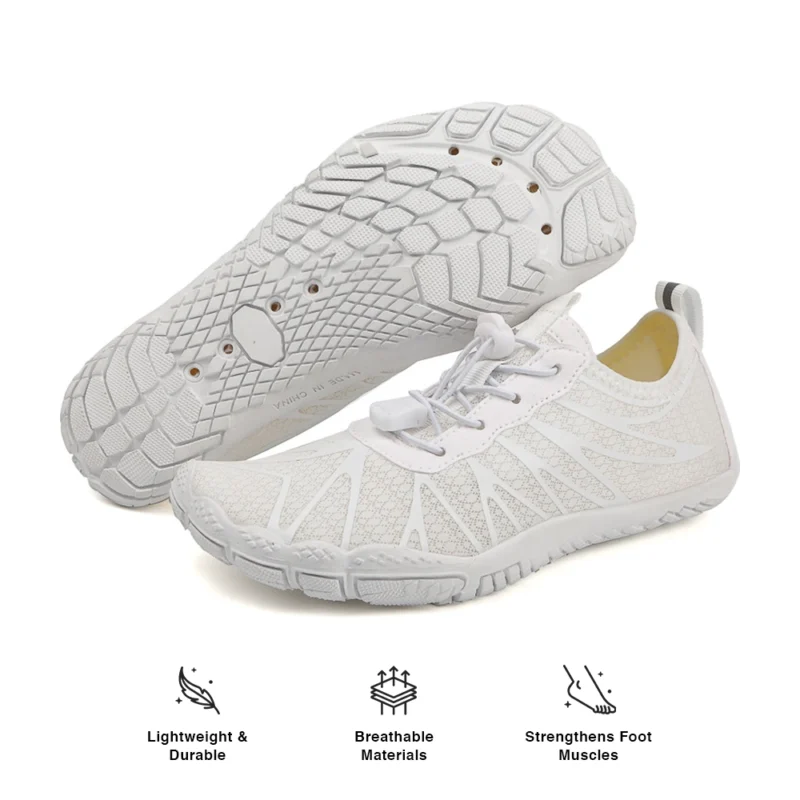
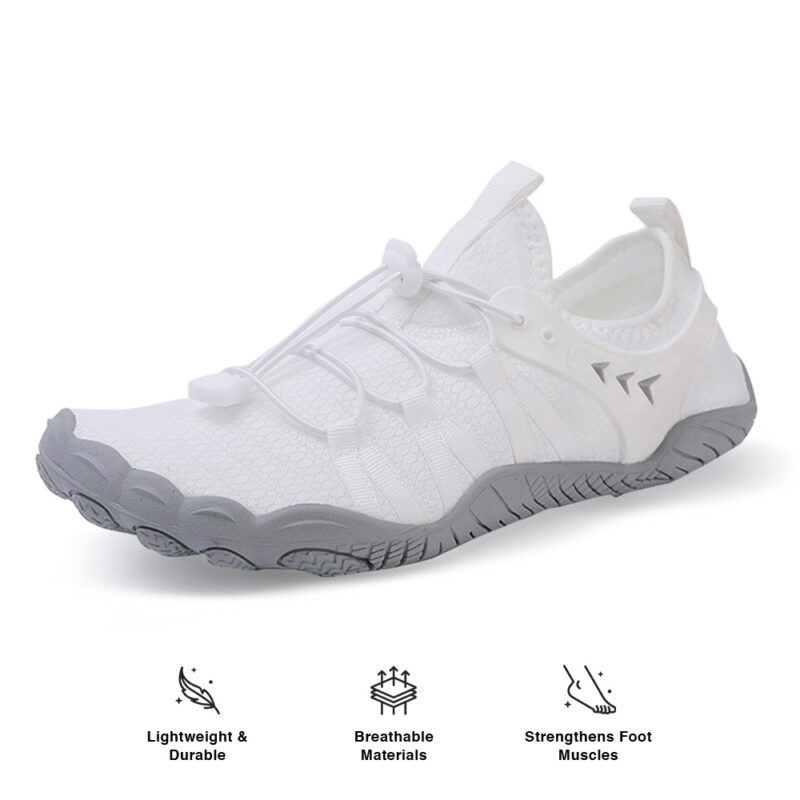
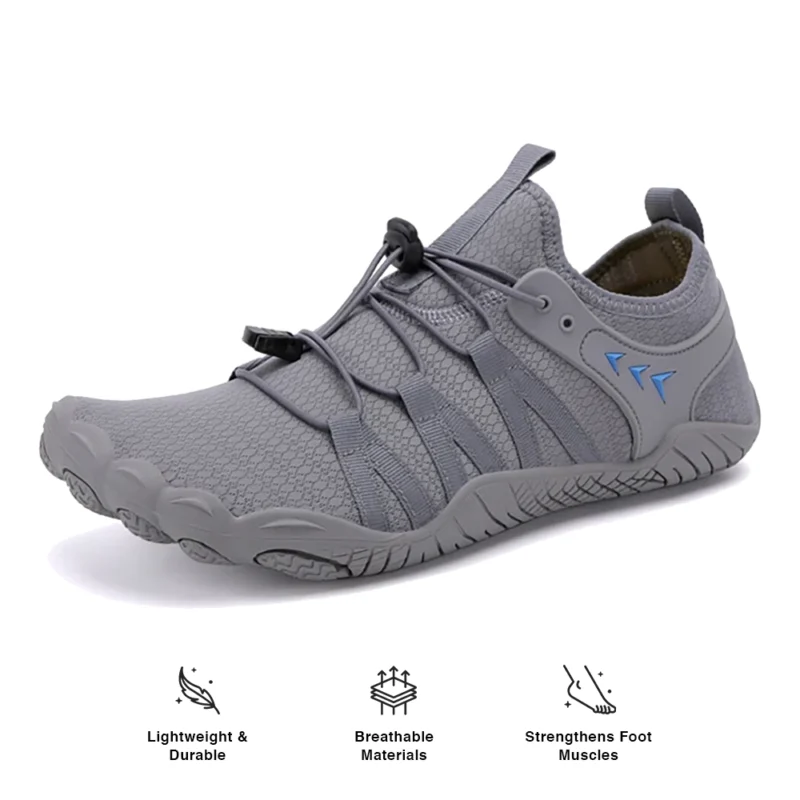
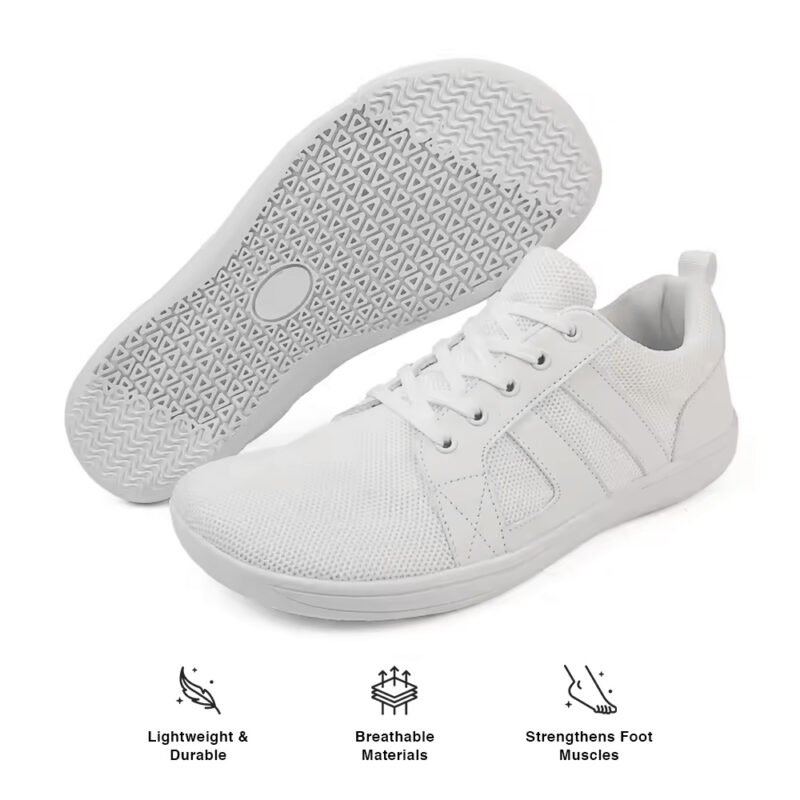
You've invested in expensive shoes with thick soles and rigid arch support, yet your plantar fasciitis persists or even worsens over time. Traditional supportive footwear creates a dependency by doing the work your foot muscles should be doing naturally, leading to progressive weakening of your intrinsic foot structures. The best shoes for plantar fasciitis for women recognize that your feet are incredibly sophisticated biomechanical structures designed to support and propel your body weight efficiently. When you choose minimalist footwear that allows natural movement, you're giving your feet the opportunity to rebuild their strength from the ground up, creating lasting relief rather than temporary comfort.
The Morning Pain Mystery: Why Barefoot Solutions Work
That stabbing heel pain when you first step out of bed happens because your plantar fascia has shortened and stiffened overnight, then gets stretched suddenly when you stand. Most women reach for thick, cushioned slippers or supportive shoes, but the best shoes for plantar fasciitis for women actually encourage gentle, natural movement from the moment you wake up. Minimalist footwear with flexible soles allows your feet to gradually warm up and stretch naturally as you walk, promoting healthy blood flow and tissue mobility. Start your day by spending a few minutes walking barefoot or in thin-soled shoes around your home, allowing your feet to wake up gently and naturally.
Breaking Free from the Orthotics Trap
You've been told that custom orthotics are essential for managing plantar fasciitis, but these devices often create more problems than they solve by preventing your feet from developing their natural strength and function. The best shoes for plantar fasciitis for women have wide toe boxes and flexible soles that allow your feet to spread naturally and engage all the small stabilizing muscles that orthotics replace. When your foot can function as intended, with toes spread wide and arches actively supporting your body weight, you'll find that external support becomes unnecessary. Gradually transition away from rigid orthotics by choosing shoes that let your feet do what they're designed to do—support you naturally and efficiently.
Why Heel-to-Toe Drop Matters More Than You Think
The elevated heel found in most women's shoes forces your body into an unnatural forward-leaning position, placing excessive stress on your plantar fascia and creating the tension that leads to pain. Zero-drop footwear keeps your heel and toes at the same level, allowing your body to maintain proper alignment and reducing strain on your foot structures. The best shoes for plantar fasciitis for women feature this flat design, encouraging a more natural gait pattern where your midfoot and forefoot share the load of impact rather than concentrating stress in your heel area. Look for shoes with zero heel-to-toe drop and practice walking with shorter, lighter steps to optimize this natural movement pattern.
The Toe Box Revolution: Room to Heal and Strengthen
Your toes aren't just decorative—they're crucial for balance, propulsion, and natural shock absorption, but most women's shoes squeeze them into unnatural positions. Cramped toe boxes prevent your feet from spreading and gripping naturally, weakening the muscles that support your arches and contribute to plantar fasciitis pain. The best shoes for plantar fasciitis for women feature wide, anatomically shaped toe boxes that allow your toes to spread and function properly, engaging the muscles that create natural arch support. When shopping for shoes, make sure you can wiggle all your toes freely and that your foot can spread to its natural width without any pinching or compression.
Flexibility Over Rigidity: Why Sole Bendability Transforms Recovery
Rigid soles might seem supportive, but they actually prevent your feet from adapting to different surfaces and engaging the muscles necessary for healthy function. Your feet need to bend, flex, and adjust to terrain to maintain strength and mobility, yet most supportive shoes create a rigid platform that eliminates this natural movement. The best shoes for plantar fasciitis for women have flexible soles that bend easily with your foot's natural motion, allowing the hundreds of muscles, tendons, and ligaments in your feet to work together as they're designed to do. Test shoe flexibility by trying to fold the sole in half—if you can't bend it easily, it's too rigid to support natural foot function and long-term healing.
Transitioning Smart: Your Path to Pain-Free Feet
Moving from traditional supportive shoes to minimalist footwear requires patience and gradual progression, as your feet need time to rebuild strength and adapt to their newfound freedom. Start by wearing the best shoes for plantar fasciitis for women for short periods each day, gradually increasing duration as your feet become stronger and more comfortable. Your plantar fascia and surrounding muscles have likely been weakened by years of external support, so they need time to redevelop their natural function and resilience. Begin with 15-30 minutes daily in minimalist shoes, focusing on walking on smooth surfaces before progressing to varied terrain and longer durations as your feet adapt to their natural movement patterns.