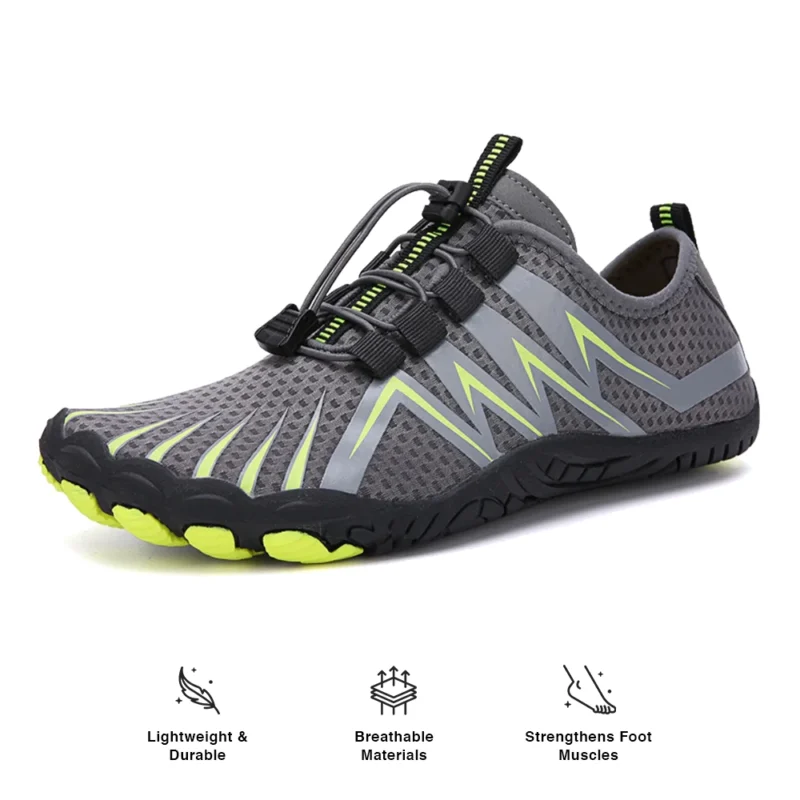
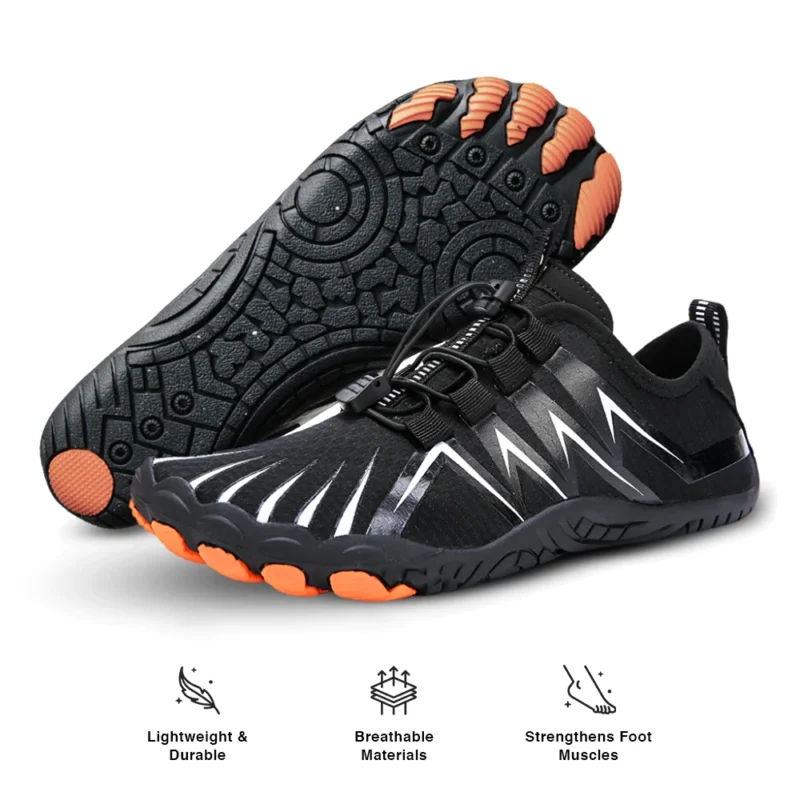
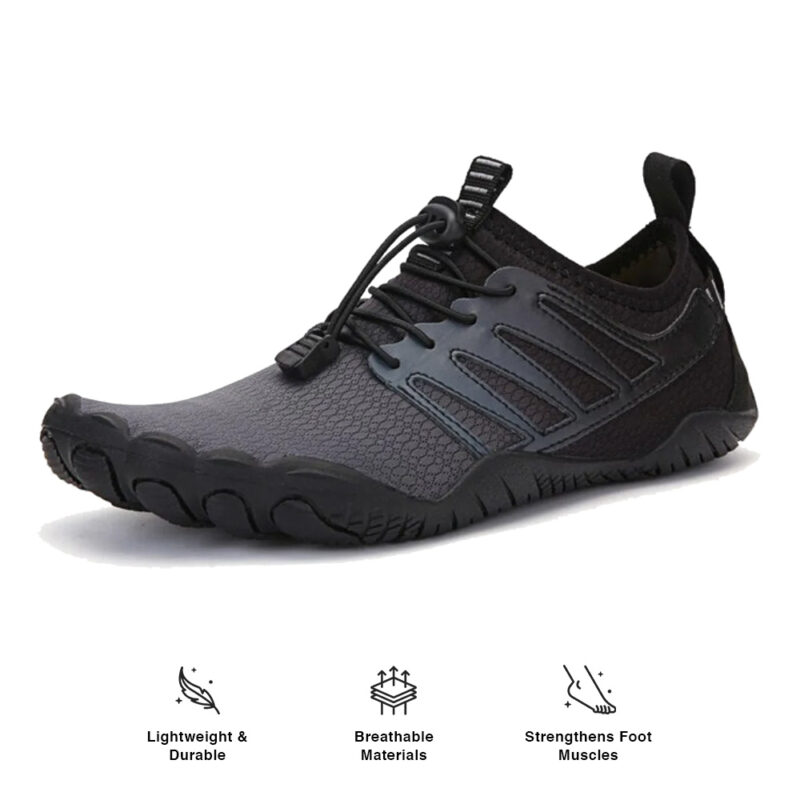
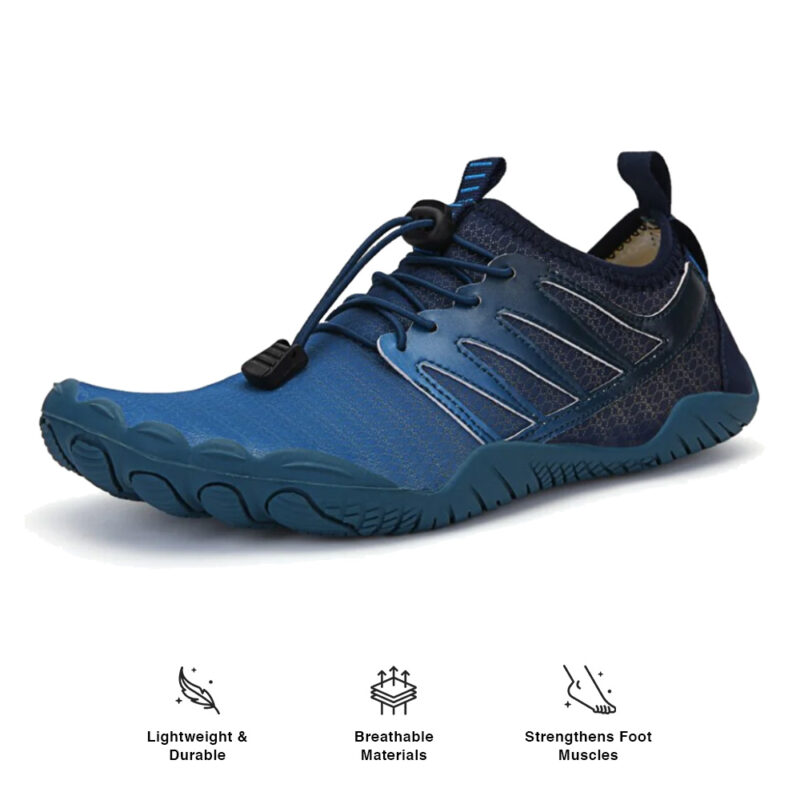
Understanding Why Your Shins Hurt in the First Place
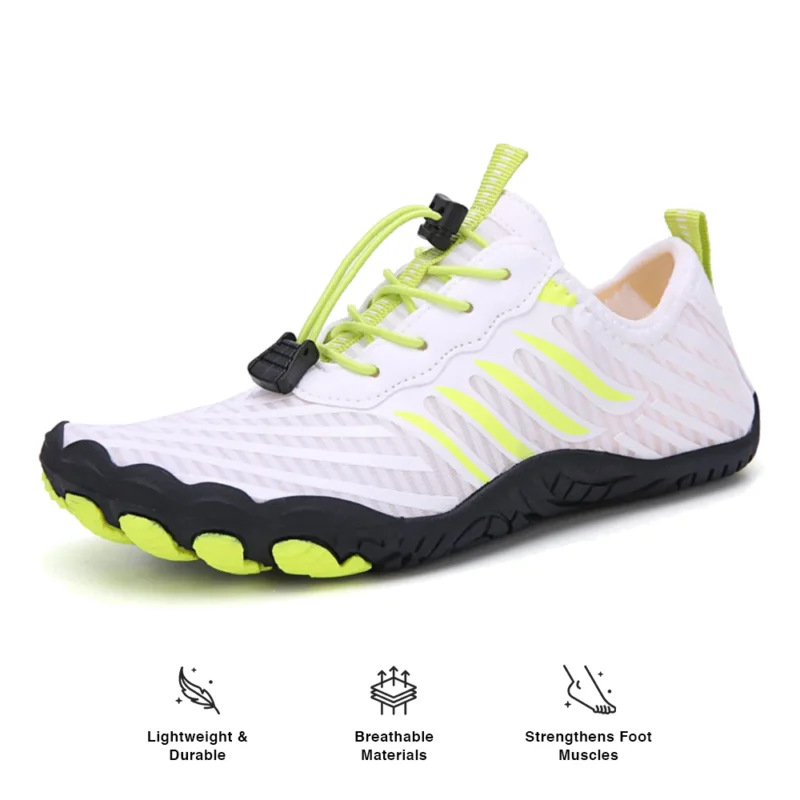
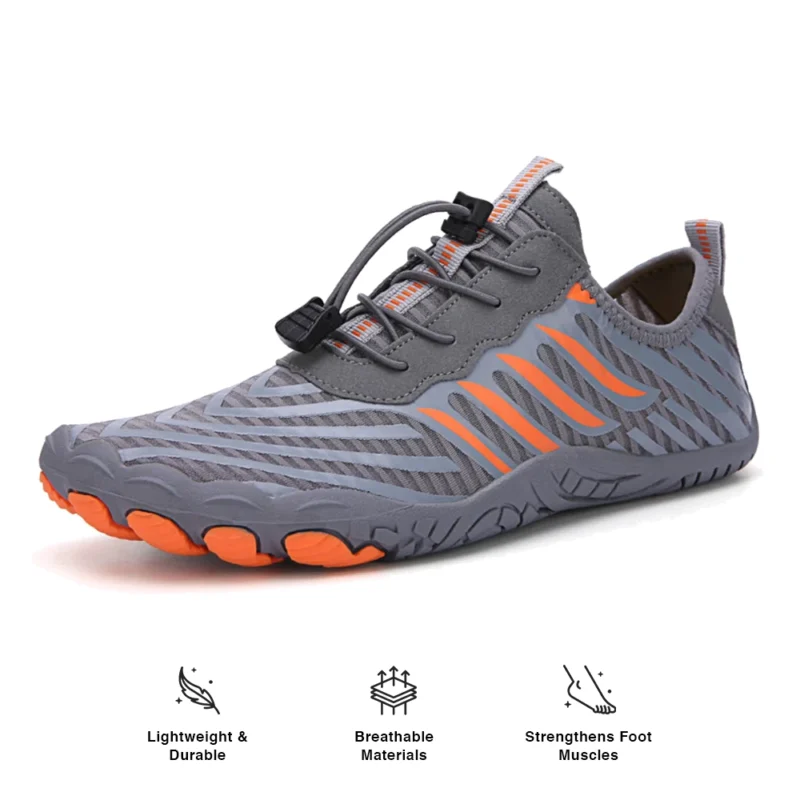
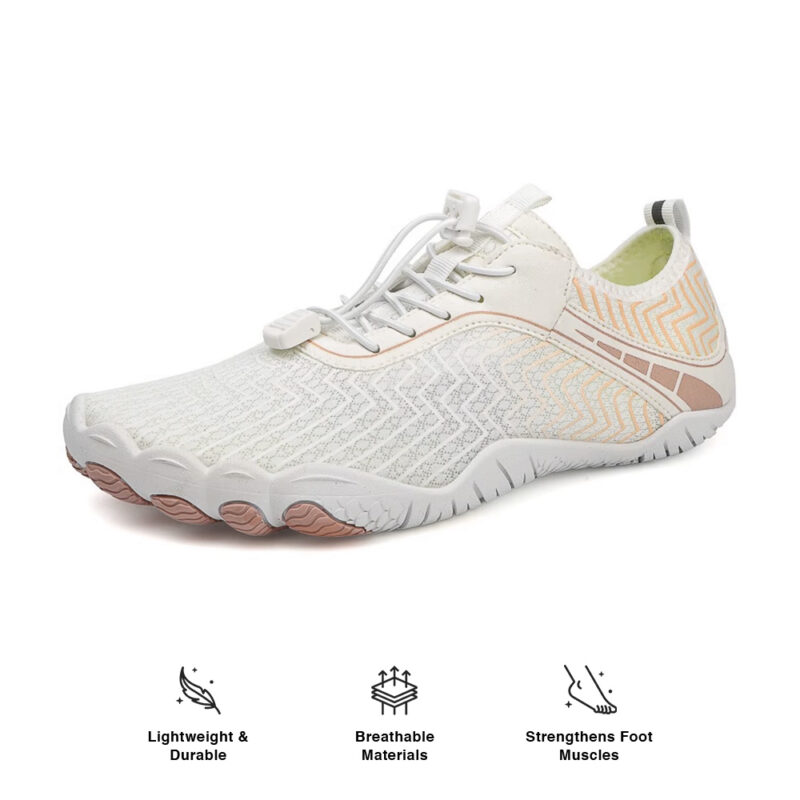
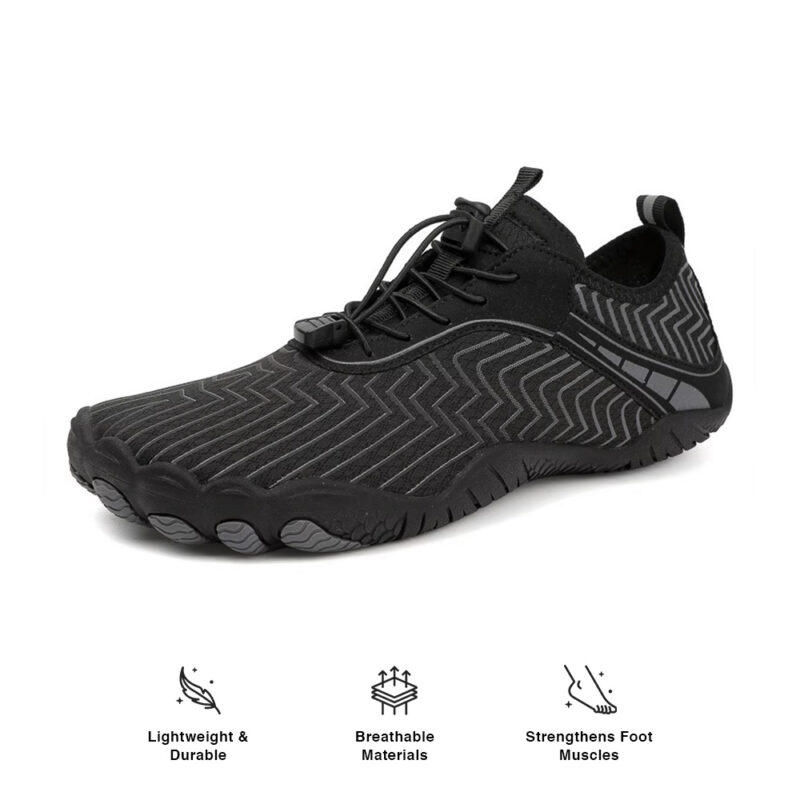
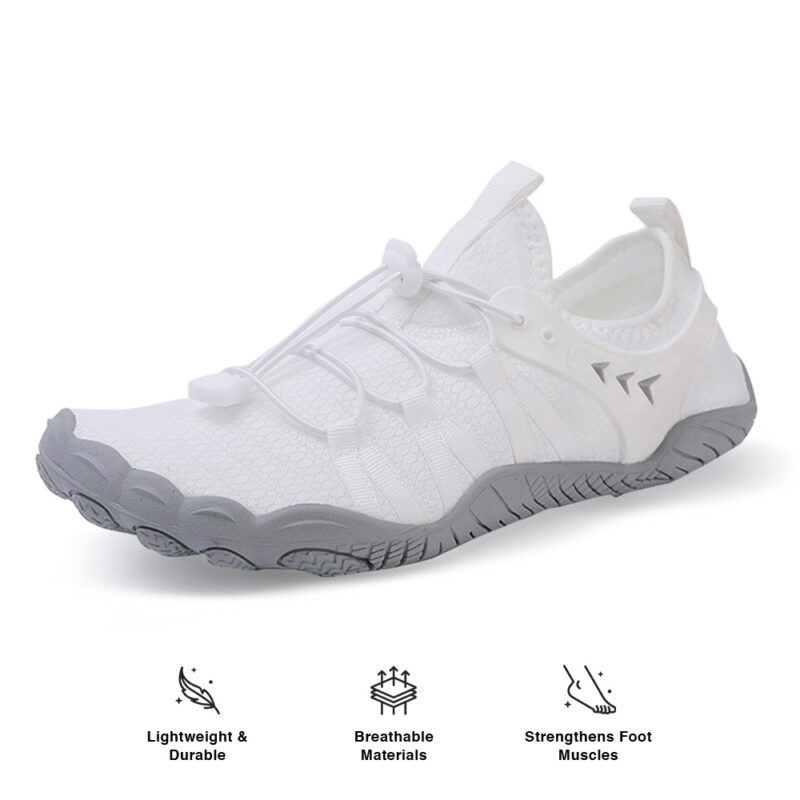
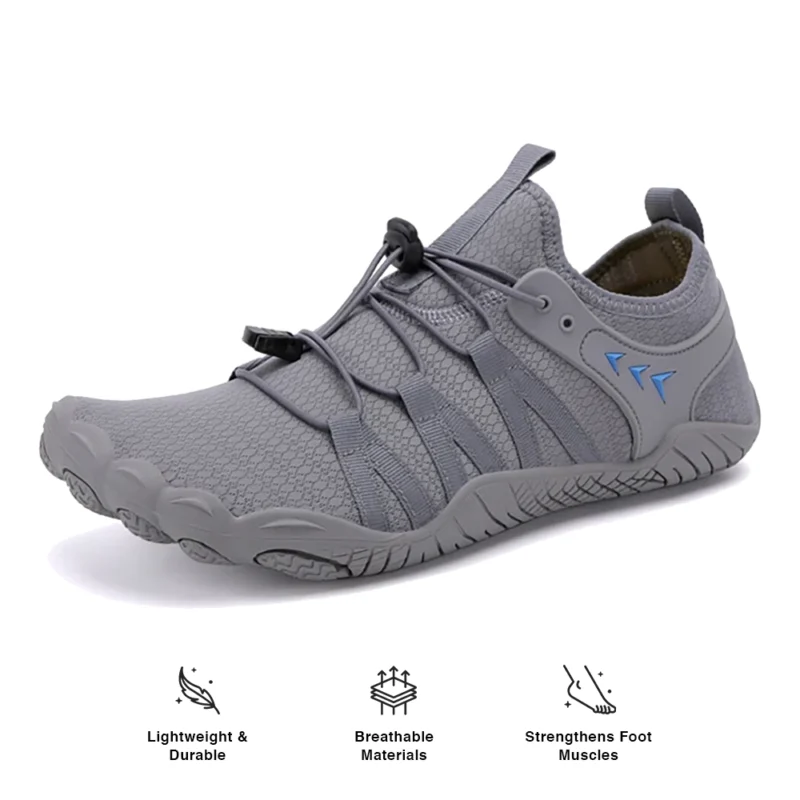
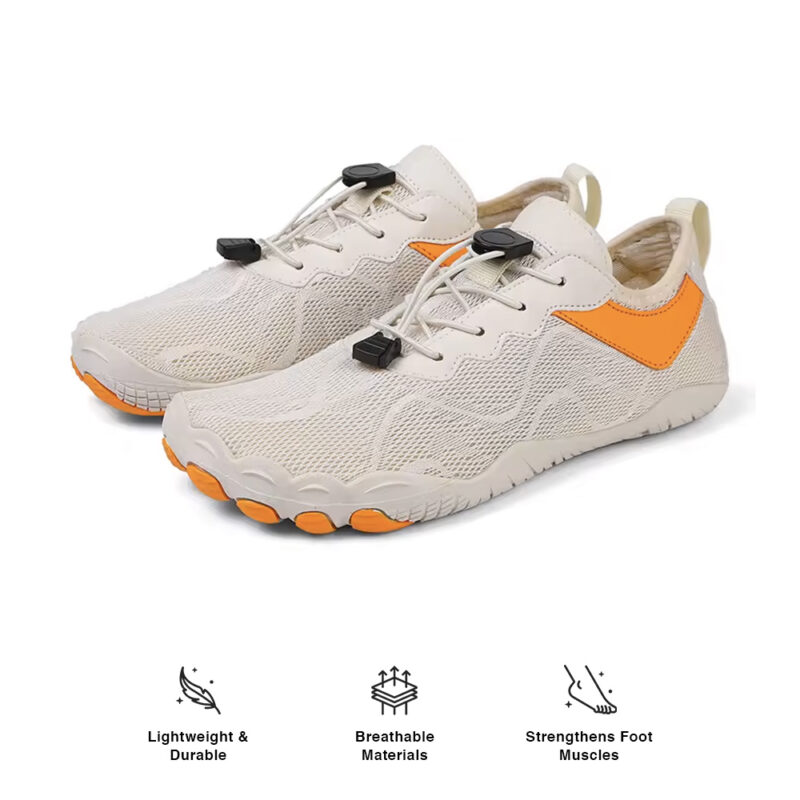
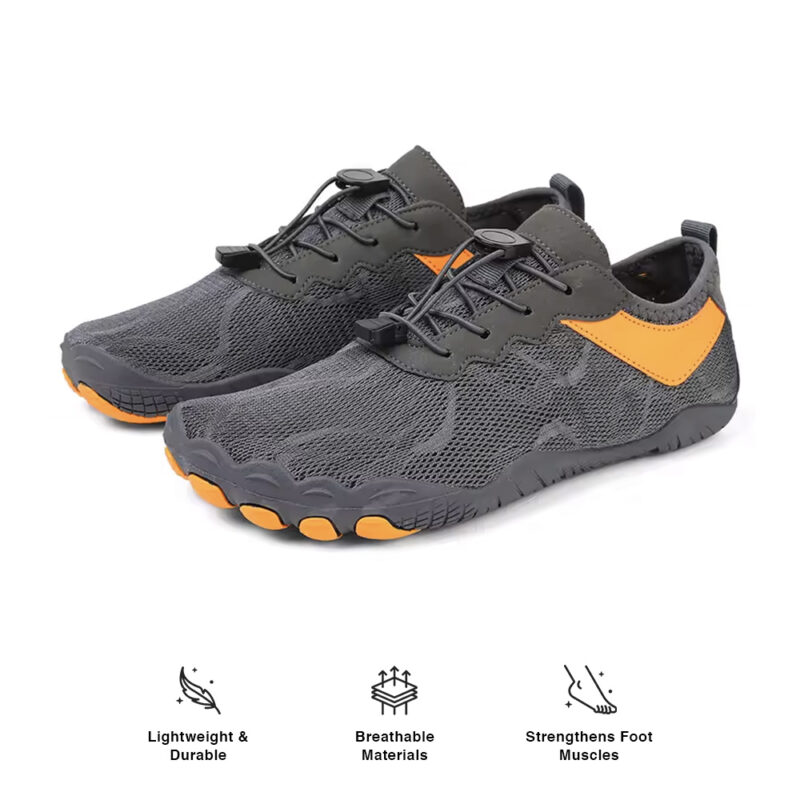
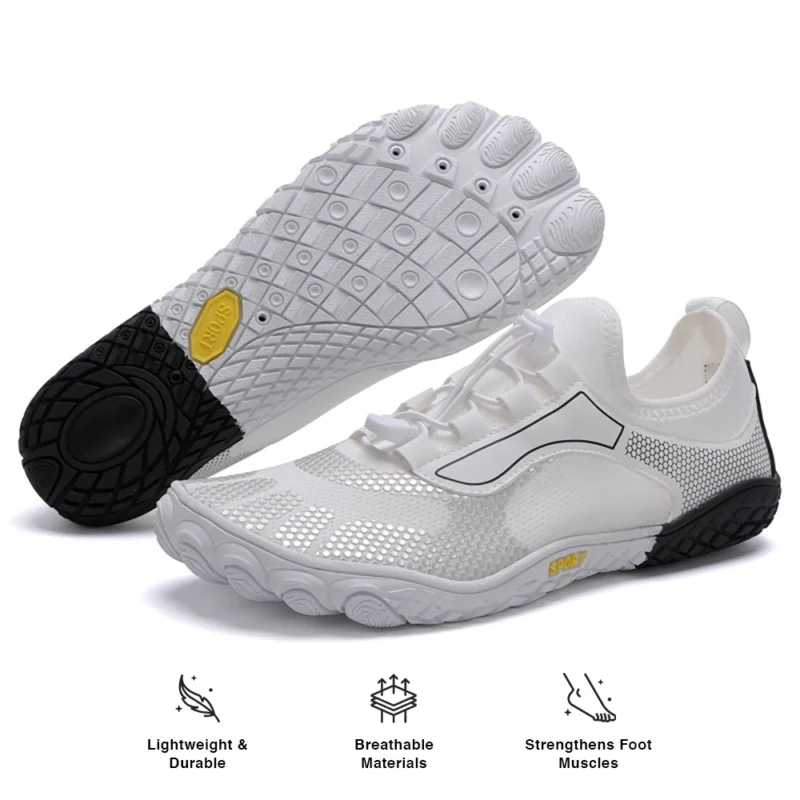
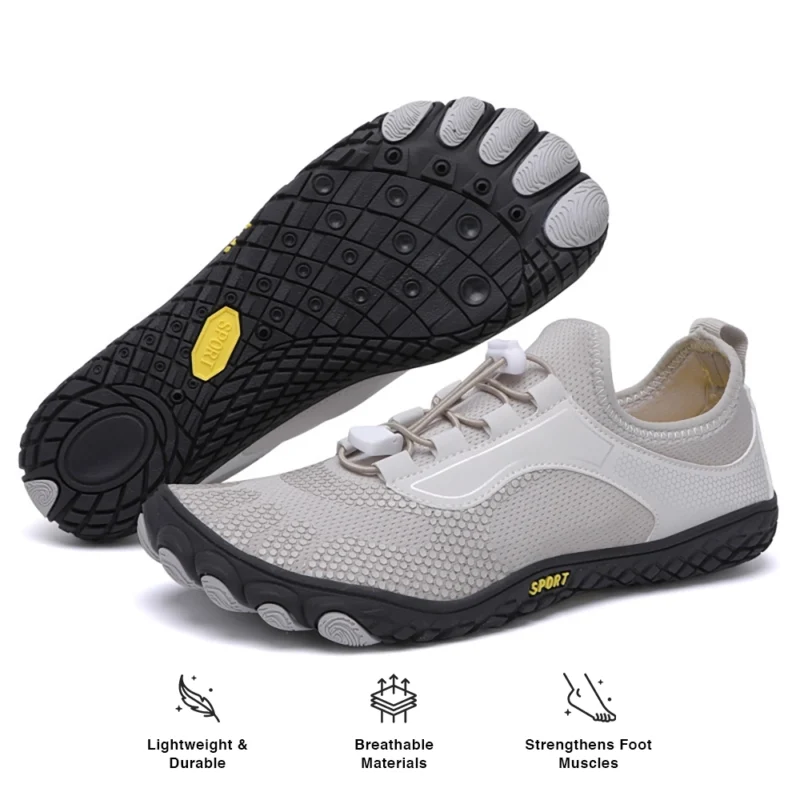
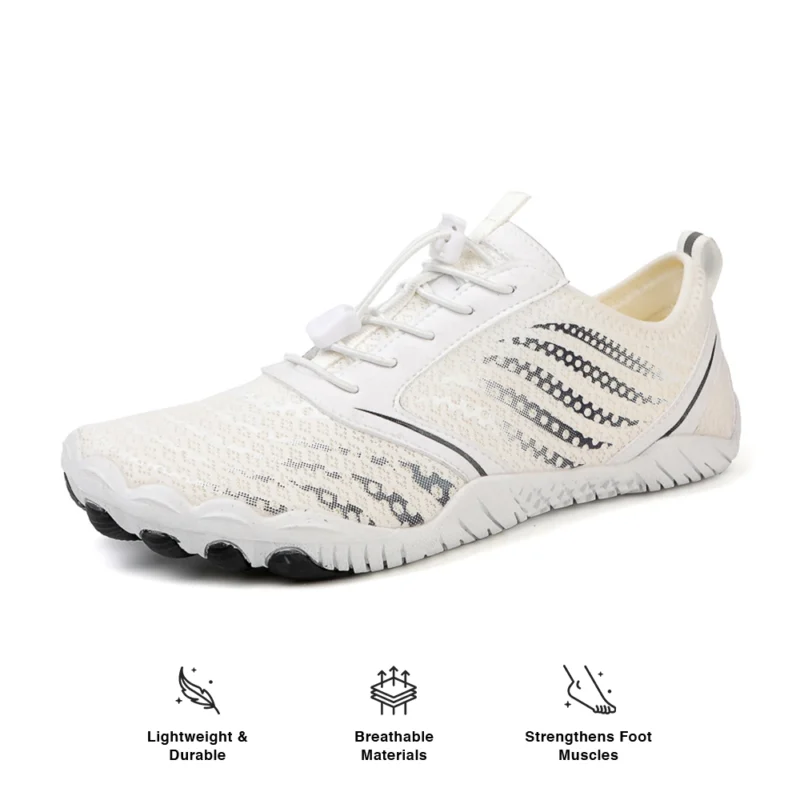
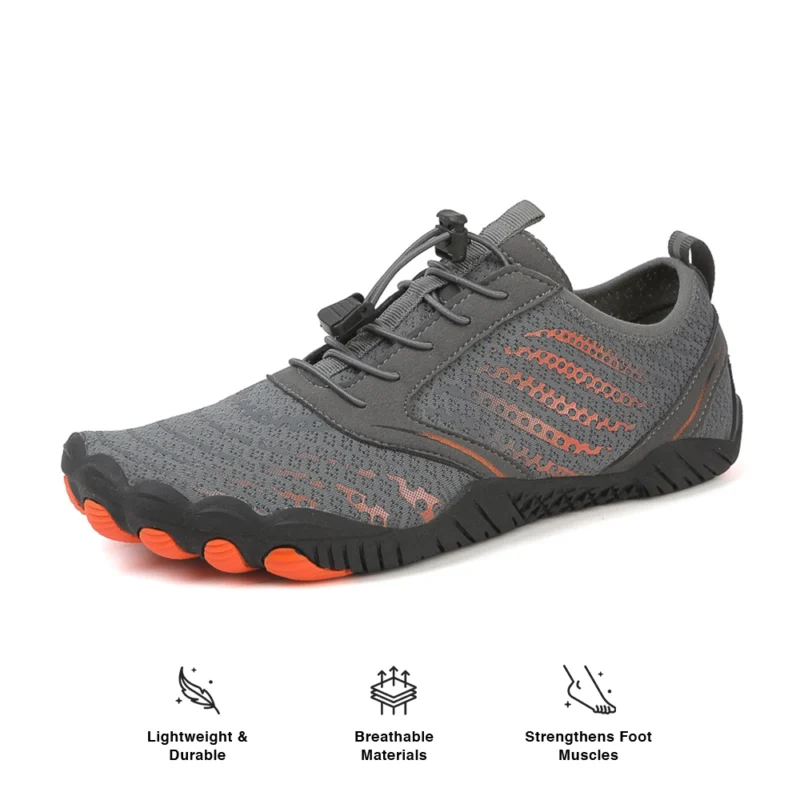
Shin splints often develop when your foot strikes the ground in an unnatural way, creating excessive force that travels up your leg. Many people don't realize that thick, cushioned shoes can actually contribute to this problem by encouraging a heel-first landing pattern that sends shock waves through your shins. What you need are the best shoes for shin splints that promote a more natural midfoot strike, allowing your body's built-in shock absorption system to work properly. Minimalist shoes encourage this natural landing pattern by providing ground feedback that helps you instinctively adjust your gait. Start your transition gradually, allowing your body time to adapt to this more efficient movement pattern.
How Weak Feet Lead to Shin Pain
When your feet are constantly supported by rigid shoes, the small stabilizing muscles become weak and unable to do their job effectively. This weakness forces your shin muscles to work overtime, trying to compensate for unstable feet below and creating the perfect conditions for shin splints. The best shoes for shin splints allow these foot muscles to strengthen naturally through daily use, creating a more stable platform that reduces stress on your shins. Barefoot-style shoes provide the flexibility your feet need to engage these muscles while still offering protection from the ground. Make the transition slowly, starting with short walks and gradually increasing your time in minimalist footwear as your foot strength improves.
Breaking Free from the Cushioning Trap
Excessive cushioning might feel comfortable initially, but it actually dulls the sensory feedback your feet need to move efficiently. Without proper ground feel, you lose the natural adjustments that prevent overstriding and heavy impact – two major contributors to shin splints. What makes the best shoes for shin splints effective is their thin, flexible sole that restores this crucial sensory connection while still protecting your feet from sharp objects. This enhanced proprioception helps you naturally develop a lighter, more efficient stride that reduces impact forces throughout your legs. Practice walking barefoot on safe surfaces at home to redevelop this natural awareness before transitioning to minimalist shoes outdoors.
Rebuilding Your Natural Stride Pattern
Most shin splint sufferers have developed compensation patterns that perpetuate their pain cycle, often landing heavily on their heels and overstriding with each step. These patterns developed partly because traditional shoes encourage this inefficient movement. The best shoes for shin splints support your transition to a more natural stride by allowing your feet to feel the ground and respond appropriately. With proper ground feedback, most people naturally begin landing closer to their center of gravity with a softer impact. Focus on taking shorter, quicker steps and letting your feet land beneath your body rather than reaching out in front of you.
Strengthening from the Ground Up
Your feet contain over 100 muscles, tendons, and ligaments that are designed to create a strong, stable foundation for your entire body. When these structures are weak from being constantly supported, the stress transfers upward to your shins and calves. The best shoes for shin splints allow these foot muscles to work and strengthen with every step, gradually building the foundation strength that prevents shin pain. Flexible soles and a wide toe box give your feet the space and freedom they need to function properly. Complement your footwear choice with simple foot strengthening exercises like toe spreading and calf raises to accelerate your progress.
Finding Long-Term Freedom from Pain
The journey to overcoming shin splints isn't about finding temporary relief – it's about addressing the root causes that created the problem in the first place. Traditional approaches often focus on symptom management rather than building the strength and movement patterns that prevent future issues. The best shoes for shin splints offer a sustainable solution by supporting your body's natural healing and strengthening processes. As your feet become stronger and your movement patterns improve, you'll find that not only do your shin splints disappear, but your overall movement quality and athletic performance improve as well. Be patient with the process and trust that your body knows how to heal and strengthen when given the right environment.
Making the Transition Safely and Successfully
Moving to minimalist footwear requires patience and a gradual approach, especially when you're dealing with existing shin splint pain. Your feet and legs need time to adapt to new movement patterns and strengthen previously underused muscles. Start by wearing the best shoes for shin splints for short periods and on softer surfaces, gradually increasing duration and intensity as your body adapts. Listen to your body's feedback and don't rush the process – building lasting strength and healthy movement patterns takes time. Consider working with a movement professional who understands natural movement patterns to ensure you're making the transition safely and effectively.