
Why Barefoot Shoes are the Best Shoes for Teachers

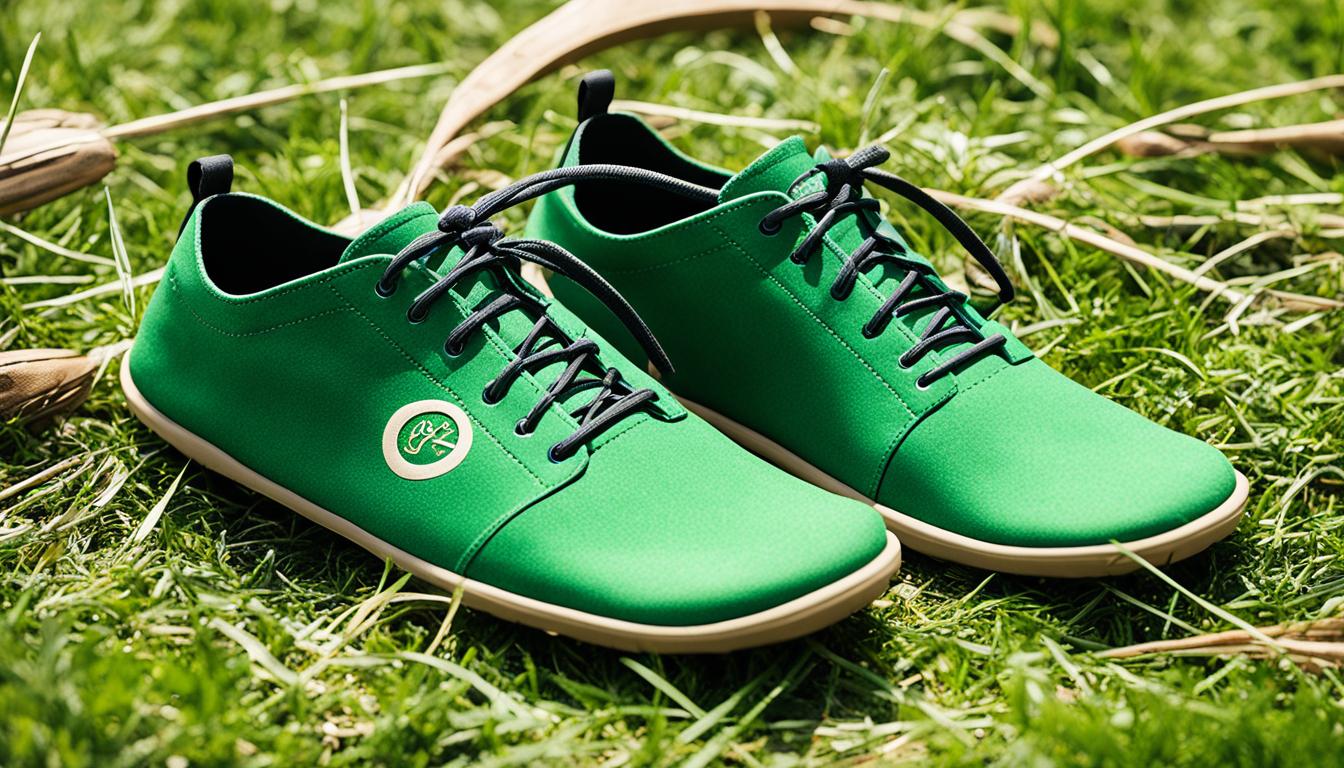
Our feet are amazing. They support huge loads, especially on rough ground. Yet, normal shoes can harm our feet’s natural structures over time. Barefoot shoes have become popular, thanks in part to the book “Born to Run.” This book talks about the good of walking and running as nature made us, with no tight sports shoes.
Teaching means a lot of time on your feet. So, it’s key to have shoes that are comfy and give good support. Barefoot shoes are a great choice. They let your feet do what they naturally do. This means less trouble for your posture and stronger feet and arches. They also help lower the stress on your joints and muscles when you stand or walk a lot.
But going straight to barefoot shoes while still doing high-impact exercise can up the injury risk for some people. This is especially true for those whose feet are not used to the lightness and flexibility of barefoot shoes. The smart move is to take it slow. This way, you can get all the good that barefoot shoes offer without the shock to your body during the adjustment time.
Key Takeaways
- Barefoot shoes let your feet work naturally, boosting standing and walking posture.
- These shoes make your foot muscles and arches stronger, perfect for long teaching days.
- They lessen the strain on your joints and muscles, cutting down on foot tiredness and aches.
- It’s vital to ease into barefoot shoes to let your feet and body get used to them.
- When picking barefoot shoes, think about toe box room, sole bend, and how much they support and pad your feet.
Introduction to Barefoot Shoes for Teachers
You, as a teacher, spend a lot of time on your feet while teaching. This makes it crucial to wear shoes that are both comfy and supportive. Barefoot shoes offer a natural option. They let your feet do what they’re meant to do. This can improve how you stand, make your foot muscles stronger, and lessen the stress on your joint and muscles.
The Importance of Comfortable and Supportive Footwear
Teaching means being on your feet almost all the time. It’s really important that your shoes do more than just look good. They must keep you comfortable and well-supported.
Big, soft shoes can sometimes be part of the problem. They might make it harder for your body to move like it should. This can tire out your muscles and cause aches and pains.
Barefoot Shoes: A Natural Alternative to Traditional Shoes
But barefoot shoes are different. They let your feet move in a more natural way, which is great for your body. These shoes are simple, with not much cushion or a thick sole.
This design makes your feet work harder. It strengthens your muscles and makes your body more stable. And it does all this without putting too much pressure on your joints.
Anatomical Benefits of Barefoot Shoes
Barefoot shoes let your feet work in a more natural way. This can improve how you stand and your body’s alignment. Without high heels and too much padding, your body stays balanced better. This lowers stress on your back, hips, and knees. Also, feeling the ground more helps your body make tiny changes for better posture.
Improved Posture and Alignment
Barefoot shoes make the muscles in your feet and your arches stronger. This helps hold your body up right when you stand or walk for a long time. So, wearing these shoes can keep you standing straighter and feeling less tired.
Strengthened Foot Muscles and Arches
These shoes let your feet move freely, helping you stay comfortable even during long days. Plus, the strong foot and leg muscles you get from wearing them help a lot. They can make you more stable, keep your posture good, and protect your joints.
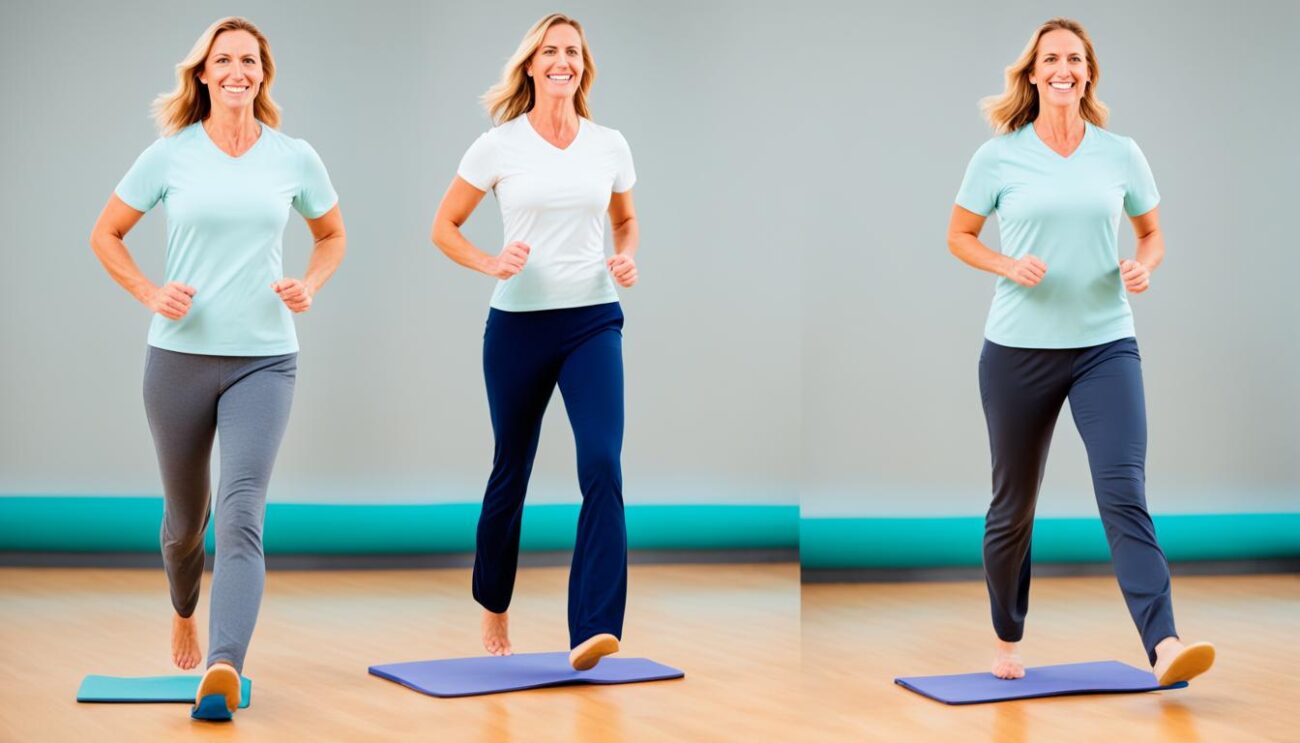
what are the best shoes for teachers, barefoot shoes
Barefoot shoes are great for teachers because they bring many benefits. They help your feet work as they should, making your posture and alignment better. This strengthens foot muscles and arches, lowering the stress on your body while standing or walking a lot.
Because they support your feet’s natural movement, barefoot shoes fight off fatigue during the day.
The Vivobarefoot Primus III is very tough, having been used for over 800 miles of hiking and running. This proves its lasting power. Physical therapy patients and experts also recommend the Vivobarefoot Primus Lite III. It may cost more than some other brands, like Xero or Vibram. But, the Primus Lite III includes a free barefoot training course.
However, Xero Shoes are made to fit more foot shapes than Vivobarefoot does. They also have a bit of foam in the soles for extra comfort.
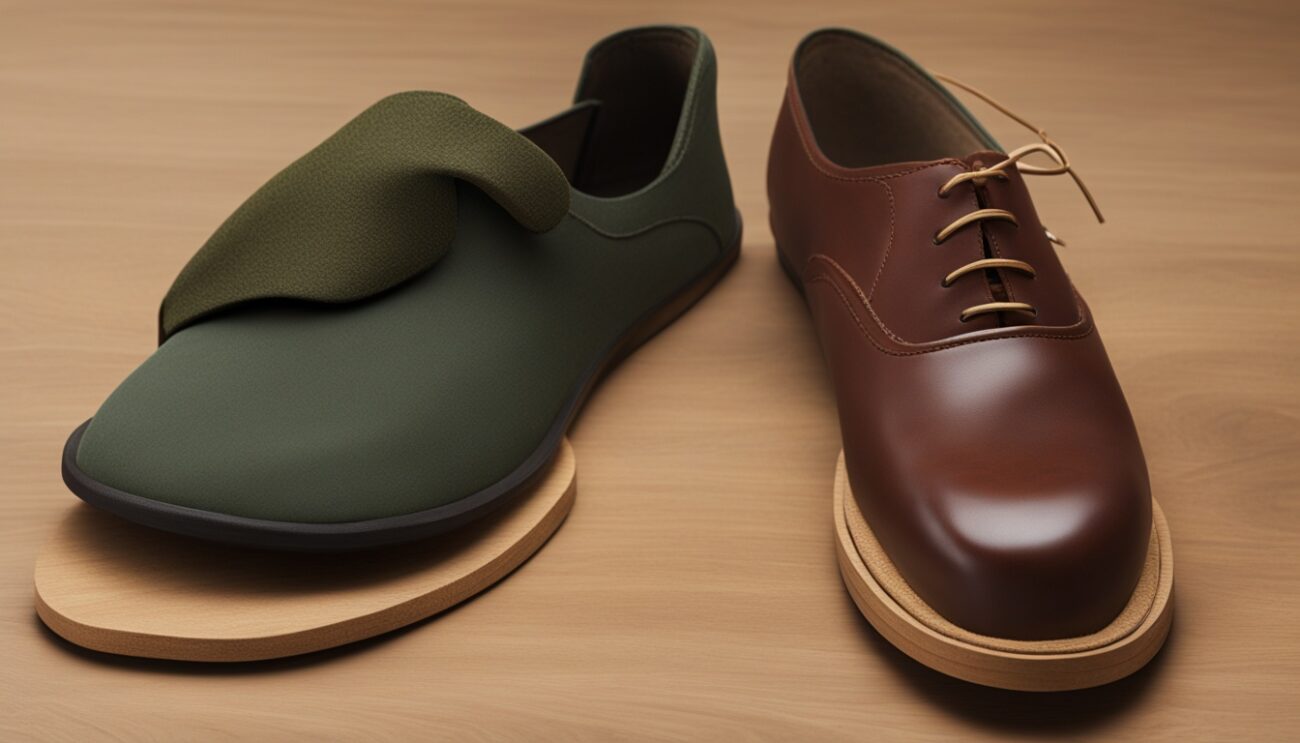
In the end, barefoot shoes stand out as a top pick for teachers. They are unmatched in improving posture, building foot strength, and easing the toll of long hours on the feet and body.
Minimizing Foot Fatigue and Discomfort
Regular shoes have high heels and thick soles that can make your joints and muscles work harder. This happens because your ankles, knees, and hips have to use more effort to move, causing stress. On the flip side, barefoot shoes provide better cushioning and more flexibility. They reduce the pressure on your body, helping lower foot fatigue and discomfort when standing or walking for a long time.
Reduced Impact on Joints and Muscles
High-heeled shoes alter how you walk and can create stress with prolonged wear. They make your feet do more work, possibly causing conditions like plantar fasciitis and back pain. Tight, narrow shoes squish the bones in your feet, limiting your movement. Barefoot shoes avoid these issues, lessening the pressure on your joints and muscles. They keep you comfortable and focused at work.
Better Shock Absorption and Flexibility
Plush, cushioned shoes may seem comfortable, but they weaken your foot muscles over time. They also change how you walk by reducing the feedback your feet get from the ground. In comparison, barefoot shoes offer great shock absorption and flexibility. This helps fight off foot tiredness and discomfort, even when you stand or walk a lot. By letting your feet interact with the ground naturally, barefoot shoes lower the physical stress on your body. This keeps you lively and efficient all day long.
Transitioning to Barefoot Shoes for Teachers
Moving to barefoot shoes is best done slowly. Changing too fast from cushioned shoes can lead to harm. It’s because your foot’s muscles may not be ready yet.
Gradual Adaptation for Optimal Results
For teachers, taking it slow with barefoot shoes is key. Start by wearing them for short amounts of time. Then, step up the time you wear them slowly. Think about where you walk and what you do too. This approach lets teachers get used to barefoot shoes without getting hurt.
Choosing the Right Barefoot Shoes for Teaching
When picking barefoot shoes for teaching, look at the toe box width, sole flexibility, and support level. A wide toe box allows for natural toe splay, important for balance and absorbing shock. Shoes with soles that move with your foot are vital. They encourage proper foot function and lower injury risk. Even with some cushioning, finding a good support-to-ground feel balance is key. Feeling the ground helps the body adjust for the right posture and alignment.
The transition period to barefoot shoes changes. Healthy people might need about 8 weeks. Folks with foot pain could take 1-3 years to adjust. It’s best to start with an hour a day, then slowly add more time. Also, do foot exercises to strengthen them as you adjust. For those with foot issues, switch to less bulky shoes over 8 weeks. Using CorrectToes toe spreaders strengthens feet and improves blood flow and alignment.
In teacher footwear, mixing transitional and minimal barefoot shoes works well. Brands like Altra, Topo, Lems, Bedrock, and Lunas are good for support and ground feel. By picking the right barefoot shoes and adapting at your own pace, benefits of minimalist footwear are within reach. This way, you can have both healthy feet and comfortable teacher shoes all day.
FAQ
What are the benefits of wearing barefoot shoes for teachers?
Barefoot shoes help your feet act naturally. They improve your posture, make your muscles and arches stronger. They also lower the stress on your joints and muscles when standing or walking a lot.
How do barefoot shoes differ from traditional shoes?
Normal shoes usually have high heels, thick midsoles, and wide outsoles. These can strain your body’s joints and muscles more. Barefoot shoes, however, absorb shock better and are more flexible. This means they lessen the stress on your body. They can also reduce foot tiredness and pain after many hours of being on your feet.
How should teachers transition to wearing barefoot shoes?
Moving to barefoot shoes needs to be done slowly. Jumping from regular, heavily cushioned shoes to minimal barefoot ones can hurt you. It’s critical for teachers to start using barefoot shoes for short times. Then, they should add more time gradually.
What should teachers consider when selecting barefoot shoes?
Some key points when choosing barefoot shoes are the toe box width, sole flexibility, cushioning, and support. Go for shoes with a wide toe box, soft soles, and the right support for you. These qualities are perfect for teachers.
Source Links
- https://www.hfe.co.uk/blog/barefoot-shoes-should-we-use-them/
- https://www.outdoorlife.com/gear/best-barefoot-shoes/
- https://www.nutritiousmovement.com/barefoot/
- https://versuspilates.com/articles/minimalist-shoes/
- https://www.chicagospringhalf.com/2019/02/05/how-to-choose-the-best-shoes-for-your-feet/
- https://www.joannesmallwood.com/best-barefoot-shoes/
- https://www.petrafishermovement.com/the-ultimate-guide-to-making-a-safe-healthy-transition-to-barefoot-style-shoes/